
Evaluating roof replacement cost involves considering material type (asphalt, metal, tile), project size, complexity, climate, maintenance, and labor rates. Nationally, costs range from $5,000 to $10,000, but commercial projects can exceed $50,000. Upfront costs versus long-term durability are key for investors: asphalt shingles are affordable but require more frequent replacements; metal roofs offer substantial savings over time; tile roofs provide excellent durability and potential tax incentives. Labor accounts for 30-40% of total cost, influenced by region, project complexity, and weather conditions. Precise budgeting requires understanding material, labor, and time requirements. Maximizing ROI involves thorough property assessments, exploring financing options, establishing industry connections, and leveraging tax incentives.
In today’s competitive investment landscape, understanding roof replacement cost is crucial for informed decision-making. Roofs, as integral components of any property, are subject to wear and tear over time, necessitating substantial investments in their replacement. This article provides a comprehensive, expert walkthrough on the varying factors that influence roof replacement cost, equipping investors with valuable insights to navigate this complex yet essential expense. By delving into material types, labor costs, regional variations, and maintenance considerations, we offer genuine value, ensuring investors are equipped to make strategic choices in their portfolios.
Assessing Roof Replacement Cost: Factors to Consider

When assessing roof replacement cost for investors today, several critical factors must be considered to ensure a sound financial decision. The roof is one of the most significant components of any property, as it protects against the elements and significantly impacts energy efficiency. According to industry reports, the average roof replacement cost ranges from $5,000 to $10,000 for residential properties, but this can vary widely depending on several variables. For investors, understanding these factors is crucial to accurately gauge potential expenses and borrower requirements.
One primary factor influencing roof replacement cost is the type of roofing material used. Asphalt shingles, the most common choice due to their affordability and ease of installation, typically cost between $25 and $100 per square foot, with an average replacement range of $3,000 to $7,000 for a standard 1,500-square-foot roof. In contrast, metal roofing offers superior durability but comes at a higher price point, ranging from $80 to $200 per square foot, resulting in a replacement cost that can exceed $10,000 for the same size roof. Similarly, tile roofs are known for their aesthetic appeal and longevity but also carry a premium, with costs often exceeding $200 per square foot. These variations underscore the importance of balancing both short-term investment costs and long-term value retention when selecting roofing materials.
Another significant consideration is the size and complexity of the roof replacement project. Larger properties or roofs with unique architectural features may require specialized equipment and skilled labor, driving up costs. For instance, a historic building might necessitate the use of specific materials to preserve its original character, adding to the overall expense. Additionally, borrower requirements for roof replacements often involve appraisals and inspection reports to ensure the work aligns with local building codes and property value standards. Lenders typically mandate that the replacement cost falls within 1-3 times the estimated market value of the property, depending on the loan-to-value ratio. Investors must factor these borrower requirements into their budgeting to avoid potential financing challenges down the line.
Beyond material and project scope, climate conditions play a pivotal role in roof replacement cost. Properties in regions prone to extreme weather events like hurricanes or snowstorms may require more robust roofing systems, such as impact-resistant shingles or metal roofing, which significantly increase costs. Regular maintenance also influences long-term expenses; regular inspections and timely repairs can extend the lifespan of a roof, deferring the need for full replacement and associated costs. Investors who consider these factors can better anticipate and budget for roof replacement needs, ensuring their investments remain profitable and resilient in varying market conditions.
Understanding the Average Roof Replacement Expenses

Understanding average roof replacement expenses is a crucial step for investors looking to make informed decisions. According to industry reports, the national average roof replacement cost ranges from $5,000 to $10,000, with high-end materials and complex installations pushing costs upwards. These figures, however, can vary significantly based on factors like roof size, material type, local labor rates, and the age of the existing structure. For instance, a small residential roof replacement might cost around $3,000 to $5,000, while larger commercial projects could easily exceed $50,000.
Borrower requirements also play a significant role in roof replacement cost. Lenders often require a detailed estimate and may insist on specific materials to protect their investment. In some cases, roof replacement cost borrower requirements can be as high as 1-3 times the estimated project cost. This underscores the importance of meticulous planning and budgeting. Investors should engage with reputable contractors who can provide transparent estimates, ensuring all costs are accounted for—from material procurement to labor and disposal fees.
Moreover, focusing solely on the immediate roof replacement cost overlooks potential long-term savings. High-quality roofing materials offer superior durability, reducing the need for frequent repairs or premature replacements. This not only saves on immediate outlays but also prevents future expenses. For example, investing in energy-efficient shingles might have a higher upfront cost but can significantly lower utility bills over time, making it a financially prudent decision from a borrower requirements perspective. Ultimately, understanding average roof replacement expenses and considering the broader financial implications is key to successful investment strategies.
Material Types and Their Impact on Roof Replacement Cost
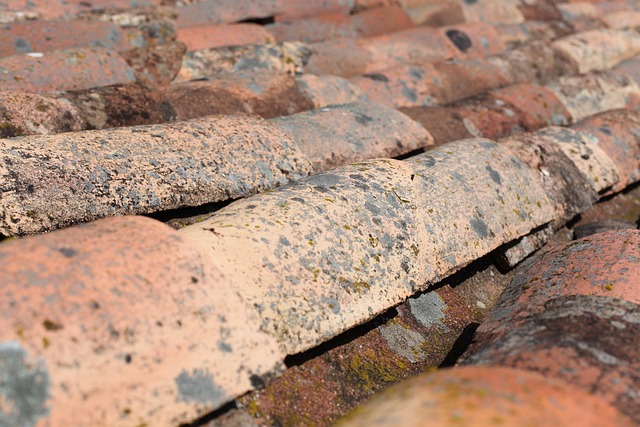
When analyzing roof replacement cost for investors, understanding material types is paramount as they significantly influence overall expenses. Asphalt shingles, the most common choice due to affordability and ease of installation, offer a relatively low roof replacement cost, making them appealing for budget-conscious investors. However, their shorter lifespan and lower durability compared to alternative materials necessitate more frequent replacements, potentially impacting long-term ROI.
On the premium end, metal roofs excel in durability, offering 50-70 year lifespans. This longevity translates into substantial savings over time, as investors can expect fewer replacement cycles. While initially more expensive than asphalt shingles, metal roofing’s low maintenance requirements and superior resistance to extreme weather conditions justify its higher roof replacement cost for borrowers. For instance, a study by the National Association of Home Builders found that metal roofs outperformed asphalt in durability tests, showcasing their long-term value.
Tile roofs represent another high-end option, renowned for their aesthetic appeal and extensive lifespans ranging from 30 to 50 years. Despite higher initial costs, tile roofs offer excellent resistance against fire, fungus, and UV damage, making them a solid investment choice. Moreover, some regions offer tax incentives or insurance discounts for installing tile roofs, further enhancing their affordability. When considering roof replacement cost for borrowers, investors should weigh these factors to ensure the best return on their investment over time, balancing upfront expenses with long-term durability.
Labor Costs: The Hidden Factor in Replacement Budgeting

Labor costs are often the hidden factor in roof replacement budgeting, yet they can significantly impact a project’s overall roof replacement cost. According to industry experts, labor accounts for approximately 30-40% of the total roof replacement cost, sometimes even more for complex projects. This component encompasses not just the cost of hiring professionals but also the time and effort required to complete the job efficiently and safely.
For investors, understanding these labor costs is crucial when assessing potential returns on a property. The roof replacement process involves several stages, each demanding specialized skills. For instance, removing the old roofing material can be tedious and time-consuming, especially in urban areas where access is limited. Similarly, installing new underlayment and flashing requires meticulous attention to detail to prevent leaks. Each stage contributes to the overall labor expenses, which can vary widely based on regional factors and market demand for skilled labor.
To accurately budget for roof replacement cost borrower requirements, investors should factor in these labor dynamics. It is recommended to secure quotes from multiple roofing contractors to gauge the range of labor costs specific to their area. For instance, a recent survey by the National Roofing Contractors Association revealed that the average labor cost per square for roofing replacement varies from $2.50 to $4.50, depending on geographic location and project complexity. Additionally, investors should consider the potential for delays caused by weather conditions or material shortages, which can extend job timelines and increase labor costs.
Ultimately, recognizing the influence of labor costs on roof replacement cost borrower requirements empowers investors to make informed decisions. By proactively evaluating these factors, they can secure more precise budgets, mitigate financial surprises, and enhance their investment strategy’s long-term viability.
Estimating Roofing Projects: Time, Materials, and Wages
Estimating roof replacement cost is a critical step for investors looking to accurately assess project feasibility and budget effectively. This process involves careful consideration of three primary factors: time, materials, and wages. Let’s delve into each element to gain a comprehensive understanding of roof replacement cost.
First, the time required for a roofing project significantly impacts overall expenses. Complex renovations or repairs may necessitate more skilled labor, leading to higher wage costs. Additionally, weather conditions can delay projects, adding days or even weeks to completion times. For instance, severe weather events commonly lead to longer turnaround times due to safety concerns and material shortages. According to industry reports, average roof replacement projects range from 7 to 14 days, with more intricate work extending this timeline.
Second, the cost of materials is a substantial component of roof replacement expenses. Shingles are the most visible and often expensive part, but other materials like underlayment, flashing, and vents contribute significantly. Material costs can vary based on factors such as region, project scope, and chosen quality. For example, high-end asphalt shingles can range from $50 to $100 per square foot, while metal roofing options may cost 2-3 times more. Borrowers considering roof replacement should account for these fluctuations, especially when preparing for borrower requirements that often mandate detailed material breakdowns.
Lastly, wages for skilled labor represent a substantial portion of the roof replacement cost. Roofers, contractors, and their teams require competitive compensation, which can vary by region and project complexity. In urban areas with high living costs, labor rates may be 20-30% higher than regional averages. According to recent data, average roofing labor costs hover around $150 per square foot, with specialty services like emergency repairs or complex re-roofs commanding premium rates. Understanding these wage fluctuations is crucial when adhering to borrower requirements that often demand precise labor cost projections.
Maximizing ROI: Strategies for Investors in Roof Replacements

Maximizing Return on Investment (ROI) in roof replacements is a strategic priority for investors today. Understanding roof replacement cost is crucial. According to recent industry reports, average roof replacement costs range between $10,000 and $25,000, depending on the size of the property and the type of roofing material chosen. However, savvy investors recognize that these figures are not static; they can significantly fluctuate based on regional labor costs and market dynamics. For instance, a study by the National Roofing Contractors Association (NRCA) revealed that labor accounts for approximately 40% of total roof replacement cost, underscoring the impact of location on borrower requirements.
To maximize ROI, investors should consider implementing several strategies. First, conducting thorough property assessments is paramount. These evaluations not only identify structural issues but also pinpoint areas where energy-efficient roofing solutions can reduce long-term maintenance costs and improve a property’s value. For example, transitioning to Energy Star-rated roofs can justify a higher upfront cost through reduced utility bills over time. Second, investors should explore financing options tailored for roof replacements. Many lenders now offer specialized borrower requirements that include 1-3 times the projected replacement cost as loan amounts, making these projects more accessible with minimal out-of-pocket expenses. Third, leveraging industry connections can yield significant savings. Establishing relationships with reputable roofing contractors who offer competitive rates and high-quality workmanship can result in substantial discounts on materials and labor, further enhancing ROI potential.
Moreover, staying informed about tax incentives and rebates associated with roof replacements can provide investors with additional financial benefits. Many governments offer incentives for adopting eco-friendly roofing practices, further justifying the investment. Ultimately, successful roof replacement projects require a holistic approach that balances initial cost with long-term gains. By integrating these strategies into their investment plans, today’s savvy investors can ensure that roof replacements not only restore properties but also boost profitability and property values.