Roof Replacement Cost: Analyze, Save, Invest Wisely
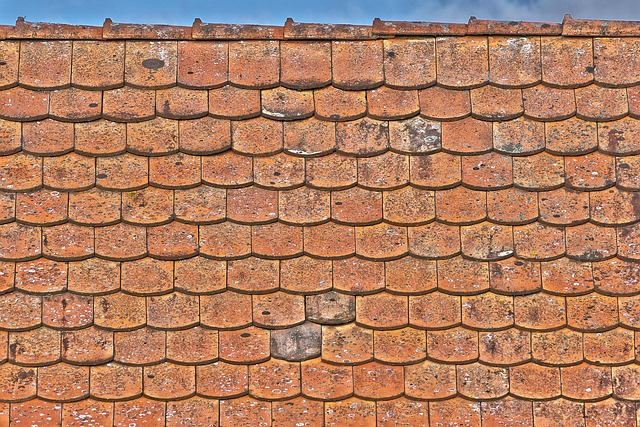
Roof replacement cost is a critical factor for property investors. Subtle issues can lead to structu…….
roof-replacement-cost.buzzzoomer.com
Giving you all the latest Arizona Buzz!
In the realm of construction and property maintenance, understanding roof replacement costs is paramount for both homeowners and industry professionals. This article delves into the intricate world of roof replacement expenses, exploring various facets that influence this significant investment. From defining core concepts to analyzing global trends and technological innovations, we aim to equip readers with valuable insights into one of the most critical aspects of roofing—cost. By the end, you will grasp why this topic is not just a financial consideration but a pivotal factor in shaping sustainable and secure built environments.
Definition: Roof replacement cost refers to the estimated expenses involved in entirely replacing a structure’s roofing system, including materials, labor, and associated fees. It encompasses all stages from removal of the existing roof to installation of new roofing materials and finishes.
Key Components:
Material Costs: This is the price of the actual roofing material, such as shingles, tiles, metal sheets, or membranes. Prices vary widely based on quality, durability, and aesthetic appeal.
Labor Fees: Includes wages for roofers and related professionals who perform the installation or replacement work. Labor costs can differ based on regional labor laws and market demand.
Permits and Inspections: Various permits may be required by local authorities for roofing projects, involving application fees and inspection charges to ensure compliance with building codes.
Contractor Fees: Many homeowners engage specialized contractors who manage the entire process. These professionals charge a fee for their services, which often includes project management, supply procurement, and labor coordination.
Historical Context: Historically, roof replacement costs have been influenced by regional climate patterns, architectural styles, and technological advancements in roofing materials. Over time, improvements in manufacturing processes have led to more durable and cost-effective options. For instance, modern asphalt shingles offer longer lifespans compared to traditional materials, reducing long-term replacement frequencies.
Significance: Understanding roof replacement costs is essential for several reasons:
Financial Planning: Homeowners can budget effectively and make informed decisions regarding their property investments.
Building Safety: Proper roofing ensures structural integrity, protecting buildings from elements like rain, snow, and extreme temperatures.
Energy Efficiency: Modern roofing technologies contribute to energy efficiency, reducing heating and cooling costs for homeowners.
Aesthetic Appeal: The visual impact of a roof extends beyond functionality, influencing property values and neighborhood aesthetics.
Roof replacement cost is not confined to local markets; it has a significant global reach. Key trends shaping this industry vary across regions, influenced by economic disparities, climate conditions, and cultural preferences:
| Region | Trending Factors | Example |
|---|---|---|
| North America | Increasing focus on energy-efficient roofing materials due to strict building codes and environmental initiatives. | The US market has seen a surge in metal roofing, known for its longevity and reflective properties that reduce cooling costs. |
| Europe | Strict environmental regulations driving adoption of sustainable roofing solutions like green roofs and recycled materials. | In Germany, a significant portion of new constructions feature solar tiles, integrating photovoltaic technology directly into the roof. |
| Asia-Pacific | Rapid urbanization leading to higher demand for residential and commercial roofing, with a focus on cost-effectiveness. | China’s housing market has experienced rapid growth, driving up the demand for affordable yet durable roofing materials like concrete tiles. |
| Middle East & Africa | Extreme climates dictating robust and long-lasting roofing solutions. | In Saudi Arabia, where temperatures soar, sandstorm-resistant roofing is a priority, often incorporating reinforced concrete or metal. |
The roof replacement cost landscape is inherently tied to broader economic forces:
Market Dynamics: Supply and demand play a pivotal role in pricing. Scarcity of certain materials or skilled labor can drive up costs. Conversely, increased competition may lead to more affordable options.
Investment Patterns: Homeowners often view roof replacement as a long-term investment. Economic conditions influence their willingness to spend on high-value items like premium roofing materials.
Economic Systems and Subsidies: Governments worldwide employ various incentives and subsidies to encourage the adoption of energy-efficient or sustainable roofing practices, potentially lowering costs for consumers.
Technological innovations have revolutionized roof replacement processes:
Smart Roofing Materials: Emerging materials like self-repairing shingles and sensors that detect damage or leaks offer new levels of durability and predictive maintenance.
Drone Technology: Drones are increasingly used for roofing inspections, providing detailed aerial images that aid in identifying issues and streamlining repair processes.
Digital Design Tools: Advanced software enables architects and designers to create precise digital blueprints, improving efficiency and minimizing errors during installation.
Solar Integration: Integrated solar panels on roofs not only generate clean energy but also contribute to overall cost savings for homeowners over the lifespan of the system.
Governing bodies worldwide implement policies and regulations that significantly impact roof replacement costs:
Building Codes: Local and national building codes dictate minimum standards for roofing materials, construction methods, and safety measures. Compliance with these standards ensures structural integrity but can increase costs.
Environmental Standards: Many regions have strict environmental regulations regarding material production and disposal. These standards promote sustainable practices but may drive up costs due to the adoption of eco-friendly materials.
Incentives for Energy Efficiency: Governments offer incentives, grants, or tax benefits to encourage homeowners to install energy-efficient roofing systems, making them more affordable in the long run.
Licensing and Permitting: Licensing requirements for roofers and permitting processes for roofing projects ensure quality control but can add administrative costs to the replacement process.
Despite its importance, the roof replacement cost sector faces several challenges:
Cost Volatility: Fluctuations in material prices due to market dynamics or natural disasters can significantly impact final costs, making budgeting a complex task for homeowners.
Skilled Labor Shortage: The roofing industry often struggles with a shortage of skilled laborers, leading to longer project timelines and increased labor costs.
Lack of Standardization: Variations in building codes and material specifications across regions create challenges for contractors, especially when dealing with complex projects that span multiple jurisdictions.
Proposed Solutions:
Implementing training programs to address the skilled labor shortage and ensure a competent workforce.
Establishing standardized industry guidelines and digital platforms to streamline permitting processes and reduce administrative burdens.
Developing long-term material supply strategies to mitigate cost volatility, including local sourcing and sustainable production practices.
Toronto’s city government initiated a program encouraging the adoption of green roofs, offering incentives and subsidies to homeowners who installed them. This initiative aimed to reduce urban heat islands and improve water management. The case study highlights successful implementation:
Impact: Over 20% reduction in rooftop temperatures during summer months, leading to lower cooling costs for homeowners.
Lessons Learned: Financial incentives play a crucial role in encouraging sustainable practices. Community education programs are essential to dispel myths and ensure proper installation techniques.
German homeowners have embraced solar roofing technology, driven by generous government subsidies and favorable policies. This case study showcases the benefits:
Results: A significant increase in solar panel installations on residential roofs, contributing to Germany’s renewable energy goals. Homeowners save on electricity bills while enjoying higher property values.
Key Factors: Strict building codes and feed-in tariffs (policies that guarantee above-market prices for excess electricity generated) have fueled this trend.
The roof replacement cost landscape is poised for significant growth and transformation:
Sustainable Roofing: Environmental concerns will continue to drive the demand for eco-friendly materials, with a focus on recycled content and reduced carbon footprints.
Digitalization: Advanced digital tools, including augmented reality (AR) and virtual reality (VR), will revolutionize design, planning, and installation processes, enhancing precision and efficiency.
Integrated Systems: Roofs may evolve into integrated systems that synchronize with smart homes, featuring IoT (Internet of Things) sensors for real-time monitoring and control.
Global Market Expansion: With increasing urbanization worldwide, the global roofing market is projected to expand significantly, presenting opportunities for innovation and collaboration.
Roof replacement cost is a multifaceted aspect of construction and property maintenance, influenced by economic factors, technological advancements, and policy frameworks. Understanding these dynamics empowers stakeholders—from homeowners to contractors—to make informed decisions. As the industry navigates challenges and embraces emerging trends, the future looks bright for safer, more efficient, and sustainable roofing solutions globally.
Q: How often should I consider roof replacement?
A: The lifespan of a roof varies by material and climate, typically ranging from 20-50 years. Regular inspections can help identify signs of wear and tear, allowing for proactive maintenance.
Q: Are there tax benefits for replacing my roof?
A: Yes, many countries offer tax deductions or credits for energy-efficient home improvements, including roofing. Check local tax regulations to maximize savings.
Q: How do I choose the right roofing material?
A: Consider factors like climate compatibility, durability, maintenance requirements, and aesthetic appeal. Consult professionals who can guide you based on your region’s specific needs.
Q: Can roof replacement costs be reduced without compromising quality?
A: Absolutely. Regular maintenance, choosing energy-efficient materials, and comparing multiple contractor quotes can help lower costs while ensuring quality.
Roof replacement cost is a critical factor for property investors. Subtle issues can lead to structu…….

Assessing roof replacement cost is crucial for selling purposes. Key factors include roof size, mate…….

Roof replacement cost significantly impacts home sellers' budgets and decisions. Key factors in…….

Roof replacement cost (RRC) is a key factor for home sellers, impacting curb appeal, market value, a…….
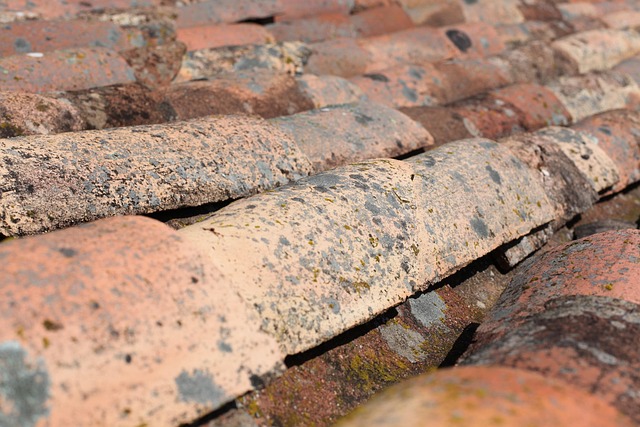
Roof replacement cost analysis is crucial for homeowners and sellers, impacting property value and p…….

Roof replacement cost varies greatly based on material ($35-$200+ per square foot), with lenders add…….

Understanding roof replacement cost (RRCC) is vital for homeowners selling their properties. The ave…….

Roof replacement cost is a pivotal factor for property investors. Average US costs range from $5,000…….

Understanding roof replacement cost is vital for real estate sellers. Costs range from $5,000 to $20…….

Roof replacement cost varies widely ($5K-$20K+) based on property size, climate, and work complexity…….