Understanding roof replacement cost is crucial for investment property decisions. Key factors include roofing material (asphalt vs. metal vs. tiles), roof size and pitch, labor rates, and existing structure condition. Costs range from $3,000-$20,000+, with labor accounting for 25-40%. Investors should allocate 3-5% of property value for replacements to stay competitive and address long-term issues. Comparing contractors using detailed estimates, "apples-to-apples" bidding, and online reputation ensures best value. Strategic planning considers roof lifespan (20-30 years) and energy efficiency for manageable financing and enhanced property appeal.
Investing in property is a strategic move, but understanding the nuances of roof replacement cost can be a challenge for today’s investors. The roof is a crucial component, offering protection while significantly impacting property value. However, varying materials, labor costs, and climate conditions make estimating roof replacement cost complex. This article provides an authoritative guide, breaking down the factors influencing these costs and offering expert insights to help investors navigate this labyrinthine process with confidence. By the end, you’ll be equipped to make informed decisions regarding one of the most significant aspects of property investment—the roof replacement cost.
Assessing Roof Replacement Cost: Factors Influencing Price

Assessing roof replacement cost involves a multifaceted approach, as various factors significantly influence the price tag. For investors entering the real estate market, understanding these variables is paramount to making informed decisions and accurately budgeting for projects. The roof, being a critical component of any property, demands meticulous consideration when it comes to replacement costs. These expenses can vary widely based on the type of roofing material chosen, the size and pitch of the roof, labor rates in the local area, and the overall condition of the existing structure.
For instance, a standard asphalt shingle roof, commonly used in residential settings, typically costs between $3,000 and $7,500, depending on the square footage and the complexity of the installation. In contrast, metal roofing, known for its durability, can range from $10,000 to $20,000 or more, reflecting its higher upfront cost. These figures also consider labor, which accounts for a substantial portion of the total roof replacement cost borrower requirements. According to recent industry surveys, labor costs alone may add 25% to 40% to the overall project expenses.
Additionally, roofers often factor in the age and condition of the existing roof. A severely damaged or outdated roof will necessitate more extensive repairs and potentially require additional structural reinforcement, thereby increasing the roof replacement cost borrower requirements. As a rule of thumb, investors should allocate a minimum of 3-5% of the property value for roof replacements, ensuring they remain competitive in the market while also addressing potential long-term issues. By thoroughly evaluating these factors, investors can anticipate and manage roof replacement costs effectively, contributing to both sound financial planning and the longevity of their investments.
Understanding the Average Costs for Different Roofing Materials
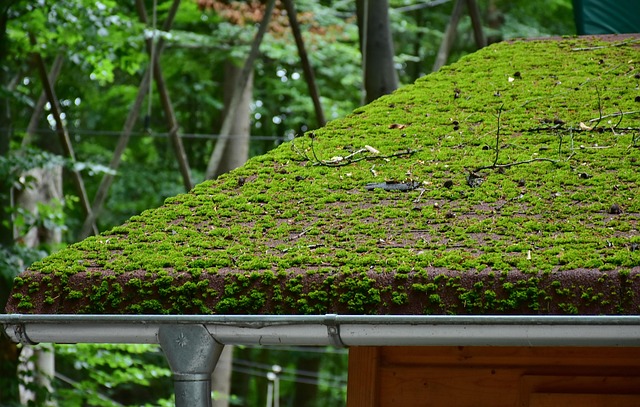
When considering roof replacement cost for investment properties, understanding the average costs associated with different roofing materials is crucial. This insight informs strategic decisions, as material choice significantly impacts both initial expenses and long-term return on investment (ROI). According to industry data, asphalt shingles remain the most popular option due to their affordability, ease of installation, and estimated lifespan of 20-30 years. On average, these shingles cost between $50 and $100 per square foot, making them a budget-friendly choice for investors looking to minimize roof replacement cost while maintaining acceptable durability.
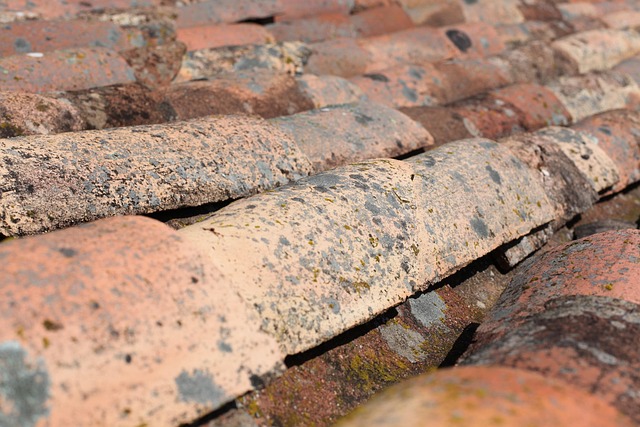
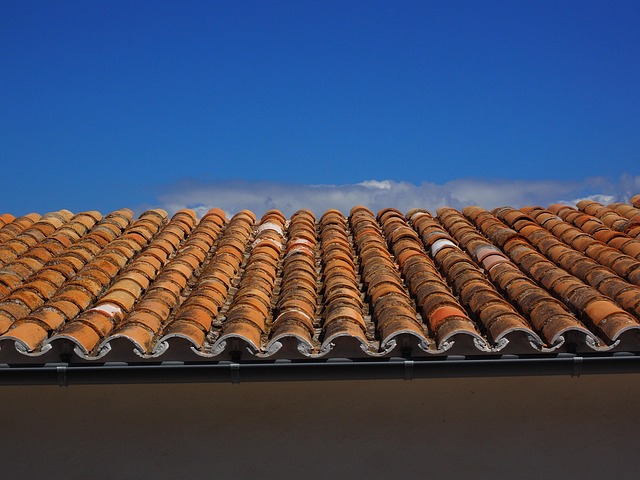
On the higher end of the spectrum, metal roofing materials offer superior longevity—typically lasting 40-60 years—and enhanced weather resistance. While initially more expensive, with costs ranging from $120 to $300 per square foot, metal roofs can pay for themselves over time by reducing replacement frequency. Clay and ceramic tiles, known for their aesthetic appeal and historical durability, fall in between these extremes. With lifespans of 40-70 years, they cost approximately $150 to $250 per square foot. However, their high upfront costs often translate into lower borrower requirements as the roof ages, given the reduced need for replacement.
In addition to material considerations, understanding local climate patterns and building codes can help optimize roof replacement cost. Regions with extreme weather conditions may necessitate more robust materials, influencing both selection and installer recommendations. Similarly, strict building codes can dictate specific design elements and materials, potentially impacting overall roof replacement cost. Investors should consult with professionals familiar with local requirements to ensure compliance while minimizing expenditure on unnecessary features.
Project Planning: Steps to Estimate Roof Replacement Expenses

Estimating roof replacement cost is a critical step for investors looking to accurately assess project budgets and potential returns. Effective project planning involves meticulous breakdown of expenses, factoring in materials, labor, and unexpected challenges unique to each roof. To begin, investors should conduct thorough inspections, identifying not just structural damage but also the type and quantity of materials required. For instance, a standard asphalt shingle roof replacement costs around $7,000-$12,000, while metal roofing can range from $15,000 to $30,000 or more, depending on complexity.
Next, engage reliable contractors for detailed estimates, ensuring they account for labor and material waste. Remember, roof replacement cost borrower requirements often dictate a 10-20% buffer for contingencies. For example, mortgage lenders might require an estimate that includes up to 20% additional funds to cover unexpected repairs or weather delays. This meticulous planning is crucial in securing financing, as lenders prefer projects with clear financial parameters and built-in safety nets.
Furthermore, investors should consider the time frame for replacement, which impacts labor costs and project scheduling. Faster turnaround times typically translate to higher labor rates, reflecting the need for skilled workers during peak seasons. Utilizing industry benchmarks and historical data can provide valuable insights into average roof replacement cost trends in specific regions, helping investors make informed decisions. This proactive approach ensures that projects stay on budget and within lender expectations.
Comparing Contractors: Finding Affordable Quality for Roof Replacement

When considering roof replacement cost for investment properties, one of the most crucial steps is comparing contractors to secure affordable quality. This process involves a meticulous evaluation of bids, understanding work scopes, and assessing contractor reliability. The roof replacement cost can vary widely, influenced by factors such as the type of roofing material, project complexity, and local labor rates. According to recent industry data, the average roof replacement cost ranges from $5,000 to $10,000, with high-end materials and complex designs driving up prices. Borrowers should be prepared to allocate 1-3 times this amount for unexpected expenses or extensive renovations.
To navigate these variables effectively, investors should request detailed estimates from multiple contractors. A comprehensive estimate should include not just the cost of materials but also labor, project management, and any necessary permits. It’s essential to compare apples-to-apples by ensuring each contractor provides a scope of work similar to your project requirements. For instance, if you’re considering asphalt shingles, ask for bids that specify the same quality and thickness to avoid inflated costs based on differing product levels.
Beyond price, consider contractor reputation and customer reviews. Online platforms and local trade associations offer valuable insights into a contractor’s reliability and workmanship. Additionally, checking references can provide firsthand accounts of their performance and timely completion. By combining competitive pricing with proven track records, investors can ensure they receive quality roof replacements that align with their investment goals and borrower requirements, ultimately minimizing both roof replacement cost and potential headaches.
Long-Term Savings: Return on Investment for Roof Replacement Upgrades
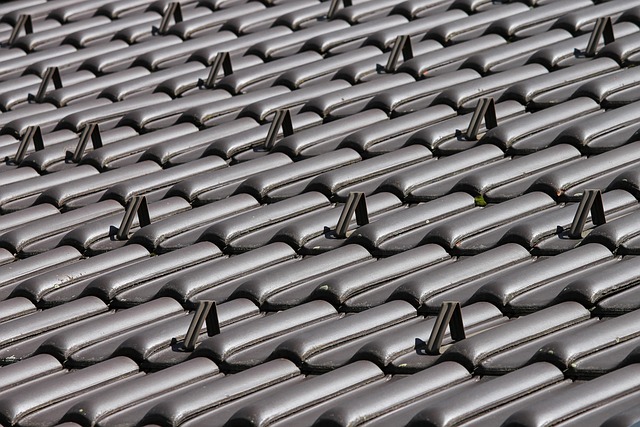
Roof replacement cost is a significant consideration for investors looking to maximize return on investment. While the initial outlay may be substantial, long-term savings from reduced maintenance, improved energy efficiency, and increased property value make roof replacements a smart financial move. According to industry reports, a new roof can enhance a home’s value by 10-15%, with annual savings on heating and cooling bills ranging from 10% to 30%. These figures underscore the substantial return on investment for roof replacement upgrades.
Expert analysis reveals that strategic timing and proper budgeting are key. Borrowers should consider roof replacement cost as part of their overall home maintenance budget, planning for a new roof every 20-30 years. This anticipatory approach allows for more manageable financing options, such as spreading the cost over several years or incorporating it into a home equity line of credit. Additionally, many lenders offer specialized programs tailored to roof replacements, with borrower requirements often amounting to 1-3 times the estimated roof replacement cost, depending on property value and local regulations.
For investors, prioritizing roof replacements can be a game-changer. By replacing old, damaged roofs, properties can attract higher rental rates or sell for premium prices. Moreover, energy-efficient roofing materials can further reduce utility costs for both owners and tenants, amplifying the financial benefits. As the real estate market evolves, maintaining a well-aged property with a modern roof becomes increasingly crucial for long-term profitability.