Roof replacement cost analysis is crucial for investors. Key factors driving costs include roof age, property size, material choice, and local climate. Average national roof replacement cost ranges $5,000 to $15,000. Strategic approaches maximize ROI through efficient materials, timely maintenance, and specialized contractors. Regular inspections and weather-resistant materials extend roof lifespan, reducing long-term costs by up to 30%.
In the realm of real estate investment, understanding roof replacement cost is paramount. A roof is a property’s protective shield, yet its replacement often goes overlooked until damage becomes apparent. This article offers an authoritative guide for investors, demystifying the complexities of roof replacement costs. We’ll navigate through expert insights, identifying key factors influencing expense and providing practical strategies to budget effectively. By delving into this knowledge, investors can make informed decisions, ensuring their investments are secure and profitable in the long term.
Assessing Roof Replacement Cost: Key Factors to Consider

When assessing roof replacement cost for investment properties, a thorough understanding of various factors is crucial. As an investor, considering roof replacement cost accurately can significantly impact your financial decisions. These costs often represent one of the largest expenses in property maintenance and should be treated with the utmost care. Several key elements influence the overall roof replacement cost, and recognizing these is essential for borrowers and investors alike.
The age and current condition of the existing roof are primary considerations. Older roofs typically require more frequent replacements, impacting costs. For instance, asphalt shingles, a common roofing material, last around 20-30 years on average. Beyond this lifespan, replacing an aged roof becomes necessary, adding to borrower requirements for funding. Similarly, damaged or deteriorated roofs due to harsh weather conditions or inadequate maintenance will drive up expenses. Inspecting the roof’s integrity and structural soundness is vital before committing to a replacement budget.
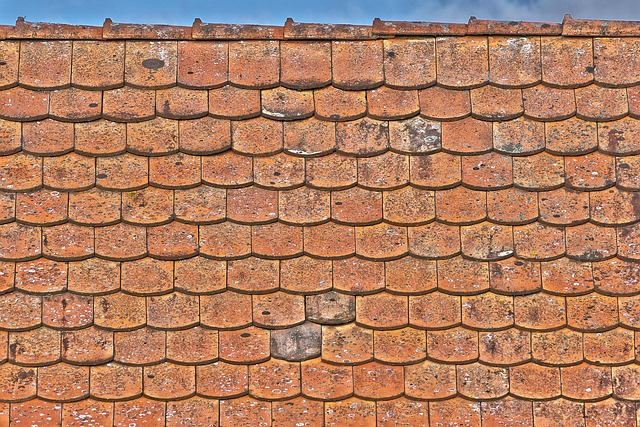
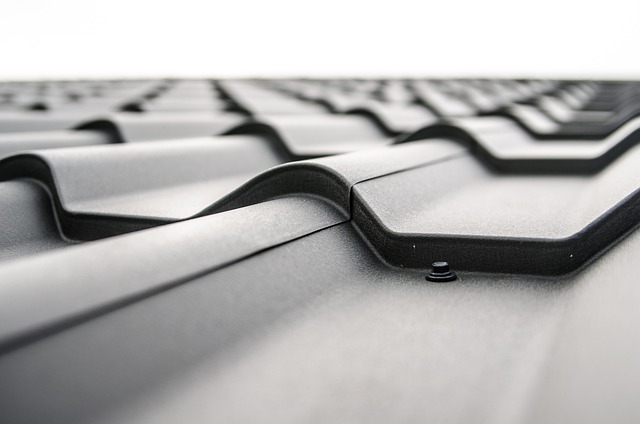
Roof replacement cost also varies based on the size and dimensions of the property. Larger structures necessitate more materials and labor, increasing overall costs. A borrower funding a roof replacement for a multi-unit apartment complex will face different expenses compared to an investor replacing a single-family roof. Additionally, the choice of roofing material significantly affects cost. High-end materials like metal or tile roofs carry premium prices, while traditional asphalt shingles offer a more budget-friendly option. Borrowers should weigh these choices based on their investment goals and property aesthetics.
Furthermore, local climate conditions play a pivotal role in roof replacement costs. Areas prone to extreme weather events such as storms, hurricanes, or heavy snowfall often require roofing solutions that can withstand these challenges. Such regions may demand specific roofing materials and styles, adding to borrower requirements when securing funding. Regular maintenance records and an assessment of the local roofing market are essential for accurately estimating roof replacement cost in different geographical locations.
Understanding Average Costs: Material, Labor, and Timing

Understanding average roof replacement cost is crucial for investors looking to make informed decisions. The typical roof replacement project involves several significant components: materials, labor, and timing. According to recent industry reports, the national average roof replacement cost ranges from $5,000 to $15,000, with higher costs in urban areas due to increased labor and material expenses. These figures can vary widely based on roof size, type of materials used, local labor rates, and the complexity of the installation process.
Material costs constitute a substantial portion of the overall roof replacement cost, typically ranging from 30% to 40%. Asphalt shingles remain the most common choice among homeowners due to their affordability and ease of installation. Premium materials like metal roofing, however, can increase the material cost by 50% or more but offer longer lifespans and enhanced aesthetic appeal. Labor costs, accounting for another 30-40% of the total, vary based on regional wage differences and the complexity of the job. Specialized skills, such as those required for installing a complex roof design, can significantly impact labor expenses.
Timing is also a critical factor in determining roof replacement cost. Simple replacements that involve replacing old shingles with new ones can often be completed within a week. Conversely, more intricate projects, especially those requiring structural repairs or the installation of specialized roofing systems, may take several weeks to finish. Borrowers considering roof replacement should anticipate these timeframes when planning their projects and setting borrower requirements. For instance, securing financing for a project that could stretch over several months might necessitate different borrowing strategies compared to one completed within a week.
To minimize roof replacement cost, investors should prioritize energy-efficient materials, which can reduce heating and cooling bills over the long term. Additionally, regular maintenance can extend the lifespan of a roof, delaying the need for full replacements. When evaluating potential investments, it’s essential to factor in the roof replacement cost borrower requirements, ensuring that financing options align with project timelines and material choices.
Strategies for Maximizing ROI: Efficient Roof Replacement

Maximizing return on investment (ROI) through strategic roof replacement is a key consideration for investors today. While roof replacement cost can be a significant expense, proactive approaches can mitigate financial risks and enhance property value. Expert analysis suggests that efficient roof replacement strategies not only reduce immediate outlay but also contribute to long-term sustainability and market competitiveness.
One proven strategy involves leveraging the latest roofing technologies and materials. High-performance roofs, such as those made with reflective or energy-efficient tiles, can lower heating and cooling costs by reducing heat absorption. These advancements not only minimize roof replacement cost over time but also align with borrower requirements for eco-friendly investments. According to industry reports, properties featuring energy-efficient roofs command higher rental rates and sell at premium prices, showcasing the tangible benefits of such upgrades. Additionally, staying abreast of local building codes and incentives can unlock tax advantages and rebates, further enhancing the financial viability of roof replacement projects.
Another critical aspect is timely maintenance and repairs. Regular inspections can identify minor issues before they escalate into costly damages. Preventative measures, like replacing missing or damaged shingles, sealing leaks, and securing loose fixtures, can extend the lifespan of a roof while minimizing future repair needs. By prioritizing routine maintenance, investors can avoid unexpected roof replacement cost surges and ensure their properties remain attractive to potential tenants or buyers. For instance, a study by the National Roofers Association revealed that regular maintenance could reduce roof replacement frequency by up to 30%, translating into substantial long-term savings for borrowers.
Finally, engaging experienced roofing contractors who specialize in cost-effective solutions is essential. Expert contractors can provide tailored recommendations based on property specifics, ensuring investments are aligned with both current and future needs. They can also help navigate borrower requirements related to roof replacement cost, ensuring compliance and minimizing financial surprises. By combining strategic planning, advanced materials, proactive maintenance, and professional expertise, investors can maximize ROI while maintaining the integrity and appeal of their properties in today’s competitive market.
Long-Term Savings: Preventive Measures and Maintenance Tips

Investing in roof replacement can significantly impact long-term savings for property owners, especially when considering preventive measures and maintenance tips. A well-maintained roof can extend its lifespan, reducing the need for frequent replacements. This not only saves on immediate roof replacement cost but also prevents substantial expenses associated with emergency repairs. According to industry experts, a high-quality roof can last between 20 to 30 years with proper care, showcasing the potential for considerable long-term financial benefits.
Regular inspections are pivotal in identifying minor issues early on, preventing them from escalating into costly repairs. Borrowers should allocate resources for biannual professional assessments and routine maintenance checks. These measures help in catching leaks, damaged shingles, or signs of wear and tear promptly, ensuring timely interventions that mitigate roof replacement cost borrower requirements significantly. For instance, a study by the National Roofers Association revealed that proactive maintenance can reduce roof replacement frequency by up to 30%, offering substantial savings over time.
Additionally, utilizing weather-resistant materials and implementing proper ventilation systems are strategic preventive measures. High-quality roofing materials, such as metal or asphalt shingles with improved technology, can withstand harsh weather conditions, including intense sunlight, strong winds, and heavy rainfall. Adequate ventilation channels the flow of air beneath the roof, reducing heat buildup, which in turn minimizes strain on cooling systems and prevents premature aging of the roofing material. By investing in these measures, borrowers not only enjoy extended roof lifespans but also contribute to overall energy efficiency, lowering utility costs over the long term.