
Roof replacement cost varies widely ($5,000-$20,000+), influenced by material type (asphalt shingles to metal), regional labor rates, and building codes. Sellers should account for hidden expenses like gutter repair and structural inspections. Lenders typically cap costs at 1-3% of home value. Essential considerations include:
– Consulting professionals and getting multiple estimates.
– Comparing material and warranty costs.
– Leveraging tax benefits for energy efficiency.
– Balancing quality, longevity, and budget with sustainable options.
– Understanding labor factors and DIY vs. professional installation risks.
– Maximizing property value through informed roof replacement cost decisions.
In the competitive real estate market, understanding roof replacement cost is paramount for sellers aiming to maximize their investment. A roof is a home’s protective barrier, yet its replacement often goes overlooked until damage becomes apparent. This can lead to significant financial surprises during the selling process. By comprehending typical roof replacement costs—including materials, labor, and potential project fluctuations—sellers can strategically price their properties, enhance market appeal, and avoid unforeseen expenses. This article provides a comprehensive overview, equipping you with essential knowledge to navigate this crucial aspect of home sales effectively.
Understanding Roof Replacement Costs: An Overview

Roof replacement cost is a significant consideration for sellers aiming to maximize their property’s value. Understanding this expense is crucial, especially as it can greatly impact a borrower’s requirements when securing financing. The average roof replacement cost varies widely based on factors like material type, roof size, and regional labor rates—ranging from $5,000 to $20,000 or more. For instance, asphalt shingles are the most common and affordable option, typically costing $75-$150 per square foot, while metal roofing can run $150-$400 per square foot, reflecting higher material and installation costs.
Sellers should also factor in potential hidden expenses. Repairing or replacing gutters, flashing, and valleys often accompanies a new roof. Additionally, structural inspections may be needed to ensure the integrity of the existing framing, adding to overall expenses. For borrowers, these costs can influence their financial capabilities. Lenders typically require that roof replacement costs not exceed 1-3% of the home’s value, depending on the loan type and borrower’s creditworthiness. This means for a $200,000 home, roof replacement cost should ideally fall between $2,000 to $6,000, giving sellers a clear guideline when planning renovations.
Actionable advice for sellers involves getting multiple estimates from reputable roofing contractors and comparing not just material costs but also warranties and post-installation service. This ensures you receive fair pricing and high-quality work. Moreover, understanding the tax benefits of roof replacements can further offset these expenses. For example, in some regions, new roofs may qualify for energy-efficient tax credits or deductions, providing additional savings that can be passed on to potential buyers.
Factors Influencing Roof Replacement Expenses

Roof replacement cost varies significantly based on several factors, making it a crucial consideration for sellers aiming to maximize their property value. Material type is one of the primary determinants; asphalt shingles, commonly used and affordable, start at around $50 per square foot, while premium materials like metal or slate can cost $200 or more. The size and complexity of the roof also play a significant role; larger roofs or those with intricate architectural details will naturally drive up costs. Weather conditions and local building codes further complicate matters. Severe weather events may necessitate more robust roofing solutions, increasing expenses, while strict compliance with code requirements can add unexpected charges.
Borrower requirements also influence roof replacement cost. Lenders often mandate certain standards to protect their investments, which could include specific material choices or structural enhancements. For example, a borrower seeking a 30-year mortgage may be required to install impact-resistant shingles, significantly raising the initial outlay. Similarly, loan amounts and interest rates can affect the overall financial burden. Borrowers with larger loan balances or higher interest rates will experience greater long-term roof replacement cost implications due to increased monthly payments.
Understanding these factors empowers sellers to make informed decisions. Conducting thorough research into local material prices and building codes is essential. Consulting with roofing professionals provides valuable insights into the expected costs for specific projects. Additionally, evaluating potential borrowers’ requirements early in the process allows sellers to factor in associated roof replacement cost adjustments, ensuring a seamless transition and maximizing their investment’s return.
Estimating Roof Replacement Cost for Sellers

Estimating roof replacement cost is a critical aspect of home selling that can significantly impact your bottom line. As a seller, understanding this expense is crucial for setting accurate asking prices and ensuring a successful transaction. The roof is one of the most essential components of a house, protecting it from the elements and providing long-term durability. However, over time, wear and tear take their toll, necessitating replacement at some point in a home’s life cycle.
When preparing your property for the market, factoring in the roof replacement cost borrower requirements is essential. Lenders often consider this expense when assessing the overall financial health of a property. According to recent industry reports, the average roof replacement cost ranges from $10,000 to $20,000, depending on the size and type of roofing material chosen. For example, asphalt shingles are a popular and affordable option, typically costing between $50 and $150 per square foot, while metal roofing can range from $200 to $400 per square foot or more. It’s important to note that these figures may vary based on regional factors and the complexity of the job. To provide a realistic estimate, sellers should consult with local roofing contractors who can assess their specific situation.
Additionally, considering potential future repairs and maintenance is vital. Some experts suggest budgeting for roof replacement every 20-30 years, but this timeline can vary based on environmental conditions and the quality of initial installation. For example, a study by the National Roofers Foundation found that over 40% of roofs in certain urban areas required replacement within 15 years due to severe weather conditions. By accurately estimating roof replacement cost borrower requirements, sellers can demonstrate a well-maintained property, making it more attractive to potential buyers and potentially negotiating higher sales prices.
Material Options and Their Price Impact
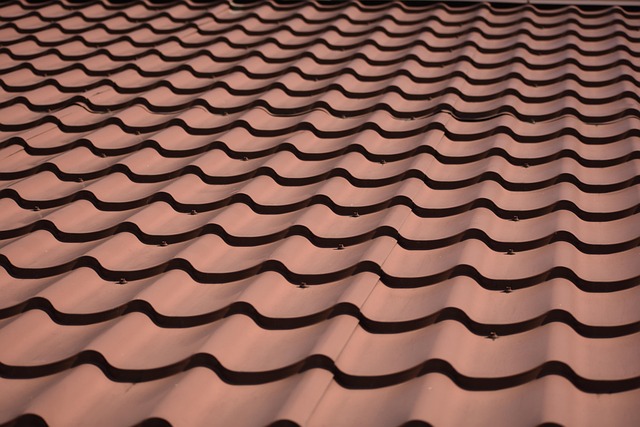
When considering a roof replacement, understanding the material options and their corresponding price points is a crucial aspect for both sellers and borrowers navigating the roof replacement cost landscape. The choice of roofing materials can significantly impact the overall budget, with prices varying widely based on factors like durability, aesthetics, and regional availability. For instance, asphalt shingles, a popular choice due to affordability and ease of installation, start at around $30 per square foot, making them an attractive option for those on a tight roof replacement cost budget. Conversely, high-end materials such as metal roofing can cost upwards of $150 per square foot, offering superior longevity and distinctive styles but coming with a substantial price tag.
Borrowers considering roof replacement cost should also factor in these material variations when assessing their financial outlay. According to recent industry data, the average roof replacement cost ranges from $5,000 to $10,000, depending on the size and complexity of the project, as well as the chosen materials. For borrowers, it’s essential to remember that lenders often require a minimum down payment of 20% or more for significant home improvements like roof replacements, which can add to the upfront costs. As such, a thorough material selection process is not just about aesthetics but also aligns with borrower requirements, ensuring both financial feasibility and long-term value retention.
In terms of practical advice, sellers should consult with multiple roofing contractors to gain an accurate understanding of material pricing in their area. This process allows for informed decision-making, enabling them to choose materials that offer the best balance between quality, longevity, and budget-friendliness. Additionally, exploring sustainable or energy-efficient options can sometimes reduce roof replacement cost over time by improving a home’s overall energy efficiency. Ultimately, balancing material choices with budget constraints is key to ensuring a successful roof replacement project that meets both seller and borrower expectations alike.
Labor Costs: Who Does the Work?

When considering a roof replacement, one of the most significant factors influencing the overall roof replacement cost is labor. The complexity of the job, skill level required, and local market rates all play a part in determining who performs the work and the associated costs.
In many cases, homeowners opt to hire a licensed roofing contractor for this specialized task. These professionals bring expertise in various roofing styles and materials, ensuring the job is done right. The roof replacement cost borrower requirements often include not just material costs but also overhead expenses for these contractors—including insurance, tools, vehicles, and employee salaries. This can result in a premium compared to DIY options, but it guarantees quality craftsmanship and peace of mind. For instance, a typical roofing contractor might charge $50-$100 per square foot, with additional fees for complicated installations or repairs.
However, some homeowners may choose to take on the project themselves or hire non-specialized labor, which can significantly reduce roof replacement cost. This approach is suitable for those with basic skills and a clear understanding of roofing mechanics. Yet, it’s crucial to remember that cutting corners on labor could lead to long-term issues. Poor installation or faulty work can cause leaks, structural damage, and even void warranties—incurring additional roof replacement cost borrower requirements down the line.
Therefore, homeowners should weigh the benefits of professional labor against their budget and skill set. Understanding local market rates and comparing quotes from multiple contractors is essential to making an informed decision that balances quality and affordability within the overall roof replacement cost.
Maximizing Returns: Post-Replacement Value Analysis

When considering roof replacement cost for sellers, maximizing returns is a key factor. A new roof can significantly enhance a property’s appeal and value, but understanding the full scope of the investment is crucial. Post-replacement, homeowners often see an increase in their home’s value, with the National Roofing Contractors Association (NRCA) estimating a 3% to 10% boost on average. This increase varies based on factors like the roof’s style, materials used, and local real estate trends. For instance, a metal roof, while more expensive upfront, can add 5% to 8% to a home’s value, making it a sound investment for sellers.
The roof replacement cost borrower requirements also play a significant role in this analysis. Lenders often require a minimum of 1-2 times the estimated roof replacement cost as collateral, ensuring the loan is secured. This means a thoughtful assessment of potential return on investment is essential. For example, if the estimated roof replacement cost is $10,000, a borrower might need to demonstrate they can handle a mortgage up to $20,000 or more. Understanding these requirements beforehand allows sellers to budget effectively and potentially negotiate better terms, maximizing both their financial security and property value.
Additionally, sellers should consider the long-term savings that come with a new roof. High-quality roofing materials now offer improved energy efficiency, reducing utility bills over time. Some roofs even come with warranties extending 25 years or more. These factors not only save money but also appeal to potential buyers who increasingly seek energy-efficient homes. By factoring in these savings and the potential for a higher sale price, sellers can justify a substantial roof replacement cost and reap the benefits when they sell their property.