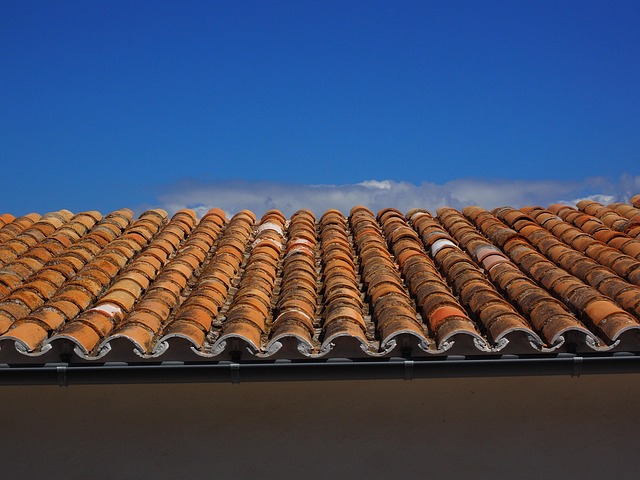
Roof replacement cost is a pivotal factor for property investors. Average US costs range from $5,000-$10,000, varying by roof size, material, and labor. Lenders recommend budgeting 1-3 times estimated costs. Comprehensive assessment involves bidding, historical data analysis, and structural considerations. Commercial roofs average $7-$15 per square foot, with detailed cost breakdowns required by lenders. High-performance roofs offer long-term savings on energy bills and reduced repairs. By prioritizing quality replacements, investors can achieve lower future costs and increased property value.
Roof replacement is a significant investment for any property owner or real estate investor. Understanding the roof replacement cost is crucial to making informed decisions, especially in today’s competitive market. The process involves numerous variables that impact the overall expense, from material choices to labor rates and project complexity. As investors, accurately gauging these factors enables strategic budgeting, ensures project profitability, and maximizes return on investment. This article provides a comprehensive analysis of roof replacement cost considerations, offering valuable insights for informed decision-making in the real estate sector.
Assessing Roof Replacement Cost: A Comprehensive Guide

Roof replacement cost is a significant factor investors consider when assessing property value. A thorough analysis involves more than just estimating the material expenses; it encompasses labor costs, local permits, and potential structural adjustments. According to recent industry reports, the average roof replacement in the United States ranges from $5,000 to $10,000, with premium materials and complex designs driving up prices. For investors, understanding these variances is crucial to meeting borrower requirements and ensuring a sound investment strategy.
The roof replacement cost borrower requirements often include a buffer for unforeseen challenges. Lenders typically advise covering 1-3 times the estimated project cost, factoring in contingencies and potential increases in material or labor expenses. For instance, a $7,000 roof replacement estimate might translate to a loan amount of $21,000-$21,000, depending on lender policies and borrower creditworthiness. This buffer zone not only protects investors from financial surprises but also accounts for potential delays or changes in project scope during construction.
Practical insights include obtaining multiple bids from reputable contractors to compare prices and services. Analyzing historical data on local roofing projects can provide valuable benchmarks for expected costs. Additionally, investors should scrutinize the structure’s age, condition, and regional climate patterns, as these factors influence roof replacement frequency and material choices. By factoring in these considerations, investors can more accurately assess roof replacement cost, mitigate risks, and make informed decisions that align with their investment objectives.
Factors Influencing Roof Replacement Expenses

Roof replacement cost can vary significantly based on several factors, making it a crucial consideration for investors looking to accurately assess project budgets. First, the size and complexity of the roof play a significant role; larger roofs or those with unique architectural features often require more extensive materials and specialized labor, driving up expenses. For instance, a study by the National Roofers Foundation found that average roof replacement costs range from $7,000 to $12,000 for residential properties, but this can easily exceed $20,000 for larger or more intricate designs.
Material choices are another critical determinant of roof replacement cost. Traditional options like asphalt shingles are relatively affordable, typically costing around $50 to $100 per square foot, while premium materials such as metal roofing or slate tiles can range from $200 to over $400 per square foot. Weather conditions and local availability can also influence material costs; areas prone to severe weather may require more durable materials, increasing the roof replacement cost borrower requirements.
Furthermore, labor costs vary widely depending on location, skill level of laborers, and project complexity. In urban centers with a high cost of living, labor expenses are generally higher, which translates to increased roof replacement cost for borrowers. Conversely, remote areas may have lower labor rates but could face additional challenges due to transportation costs and limited access to specialized workers. Understanding these factors is essential for investors to budget effectively, ensuring projects remain financially viable while adhering to borrower requirements.
To mitigate potential surprises, investors should conduct thorough research and consult with industry experts. Analyzing comparable properties in the area can provide insights into average roof replacement costs. Additionally, engaging with reputable contractors early in the planning process allows for detailed cost estimates tailored to specific project needs. By considering these factors and incorporating them into investment strategies, borrowers can navigate roof replacement projects with greater confidence, ensuring both quality outcomes and financial responsibility.
Budgeting for Commercial Roof Replacements

Commercial roof replacements represent a significant investment for property owners, with the average cost ranging from $7 to $15 per square foot—potentially reaching hundreds of thousands or even millions for larger properties. Budgetting for these projects requires careful consideration of several factors, including the size and condition of the roof, chosen materials, labor costs, and any necessary structural repairs. According to industry reports, roofing projects in commercial settings often fall into two categories: complete replacement or reroofing, with the latter involving the removal of existing roofing materials without replacing the underlying structure.
One crucial aspect for investors is understanding borrower requirements related to roof replacement cost. Lenders typically expect a detailed breakdown of project costs, including material, labor, and any contingencies. It’s not uncommon for lenders to require a roof replacement cost analysis that demonstrates the necessity and financial viability of the proposed project, often expressed as 1.5 to 3 times the annual operating expenses related to the property—a measure designed to ensure the investment is sound and aligned with market conditions. For instance, a property generating $1 million in annual revenue might see a roof replacement cost budgeted between $1.5 million and $3 million, depending on the extent of the work.
While the initial investment can be substantial, strategic budgeting can mitigate risks. Investors should consider long-term savings from improved energy efficiency, reduced leak repair costs, and increased property value post-renovation. Additionally, leveraging industry insights—such as understanding trending roofing materials, labor rates, and regional variations—can help refine budget estimates. For example, choosing eco-friendly materials may command a higher initial cost but can offer compelling long-term benefits in terms of sustainability and reduced maintenance.
Long-Term Savings: ROI of Quality Roof Replacements
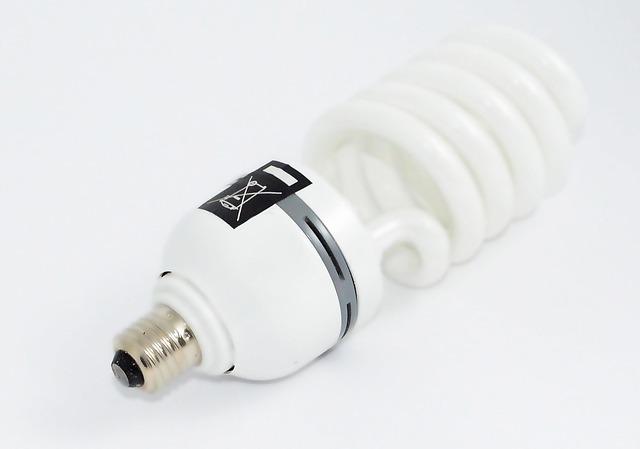
Roof replacements represent a significant investment, yet they offer substantial long-term savings for property investors. While the initial roof replacement cost can vary widely based on materials, complexity of the job, and local labor rates, quality replacements deliver multiple benefits that translate into improved cash flow and increased property value over time.
High-performance roofs are designed to withstand harsh weather conditions, reducing the risk of costly repairs or premature replacements. Energy-efficient materials lower utility bills for tenants, enhancing the property’s appeal and profitability. Additionally, these durable roofs minimize interior damage from leaks, which can lead to expensive renovations if left unaddressed. A study by the National Roofing Contractors Association (NRCA) found that a new roof could save homeowners up to 20% on energy costs annually. For investors, this translates into improved ROI and reduced borrower requirements over the lifespan of the investment.
Over the long term, investing in quality roof replacements can lead to substantial returns. According to a report by Grand View Research, the global roofing market is expected to reach $164.7 billion by 2030, highlighting the growing demand for durable and efficient roofing solutions. Investors who prioritize high-quality roofs during property acquisition stand to benefit from lower replacement costs in the future and higher property values upon resale or refinancing. When evaluating potential investments, consider roof replacement cost as a strategic factor—it’s not just about immediate expenses but also the long-term financial health of your portfolio.