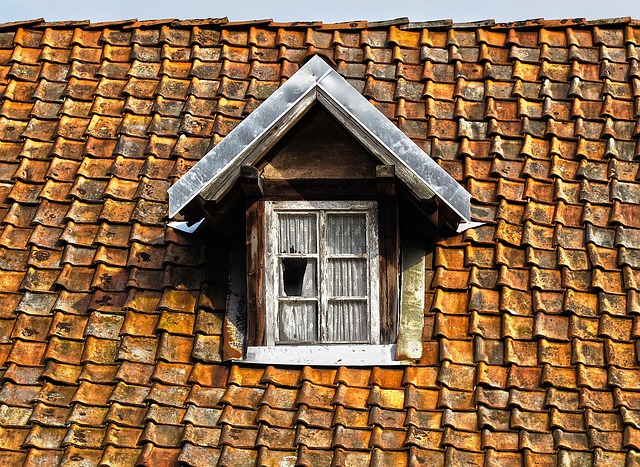
Roof replacement cost is a critical factor for real estate investors, influencing property valuations and return on investment (ROI). Accurate assessment considers structural integrity, material quality, lifespan (20-30 years), climate impact, and regional variations. Costs range from $7,000 to $15,000 for asphalt shingles, with premium materials up to 3x more expensive. Timely replacements extend buildings' lives by decades, enhance property values (5-15%), and offer financing options like traditional loans or government programs (up to 3x roof replacement cost). Strategic investment in high-quality roofs drives maximum ROI and market appeal.
In the realm of property investment, understanding roof replacement cost is a crucial component for informed decision-making. The roof, as the protective shield of any structure, incurs significant expenses when needing replacement, often representing a substantial financial commitment for investors. This article delves into the intricate factors influencing these costs, offering a comprehensive analysis to empower investors with valuable insights. By navigating through the various elements at play, from material choices to labor rates, you’ll gain a strategic edge in managing and mitigating roof replacement cost implications, ensuring your investments remain robust and profitable.
Assessing Roof Condition & Replacement Need

Assessing Roof Condition is a critical step for investors looking to accurately gauge roof replacement cost. A thorough inspection reveals more than just visually apparent damage; it involves evaluating the structural integrity, material quality, and remaining lifespan of the existing roof. Factors like age, exposure to extreme weather events, and local climate play significant roles in determining when a roof replacement becomes necessary. According to industry reports, the average roof lasts between 20-30 years, though this can vary widely based on these factors.
For investors considering the financial implications of roof replacement cost, understanding borrower requirements is paramount. Lenders often factor in 1-3 times the estimated roof replacement cost into loan assessments and property valuations. This reflection acknowledges the substantial investment required for such a significant component of a property’s infrastructure. For instance, replacing a typical asphalt shingle roof can range from $7,000 to $15,000, depending on size, complexity, and material choices. A comprehensive analysis should thus account not only for these direct costs but also potential hidden expenses like permit fees, debris removal, and structural repairs that may be needed alongside the roof replacement itself.
Beyond immediate financial considerations, recognizing early signs of roof deterioration can prevent more costly repairs down the line. Regular maintenance inspections and prompt addressing of issues such as leaks, missing or damaged shingles, or blistering underlayment can extend a roof’s lifespan significantly. By integrating these insights into investment strategies, savvy property owners and investors can mitigate unexpected roof replacement costs while ensuring the ongoing value and safety of their properties.
Understanding Average Roof Replacement Costs

Roof replacement cost is a significant consideration for investors entering the real estate market, as it directly impacts property value and borrower requirements. Understanding average roof replacement costs is crucial for making informed investment decisions. According to recent industry reports, the national average roof replacement cost ranges from $10,000 to $20,000, depending on the size of the roof and the type of materials used. These figures can vary widely based on geographic location, weather patterns, and the age of the property.
For instance, in regions with frequent severe weather events, such as hurricanes or snowstorms, roof replacements tend to be more expensive due to the need for storm-resistant materials and specialized labor. Conversely, areas with milder climates may see lower average costs, as maintenance requirements are generally less stringent. It’s essential to factor these variables into your budget planning when considering roof replacement cost borrower requirements. Lenders often expect homeowners to set aside 1-3 times the estimated cost of a roof replacement as part of their emergency funds or reserves.
Moreover, investors should consider the long-term value a new roof can bring to a property. A well-installed, durable roof not only shields the home from environmental elements but also enhances its overall market appeal and resale value. Some high-end materials, such as metal roofing, can even offer energy efficiency benefits, further justifying the investment in roof replacement cost. By understanding these dynamics and incorporating them into their investment strategies, savvy investors can ensure they’re not only protecting their properties but also maximizing their returns.
Factors Influencing Roof Replacement Expenses

Roof replacement cost is a significant factor investors consider when assessing property value, especially given its critical role in protecting investments from environmental elements. Several key factors influence roof replacement expenses, which can vary widely depending on region, property type, and age of the structure. For instance, in coastal areas prone to severe weather events, reinforced roofing materials may be necessary, driving up costs compared to regions with milder climates.
One primary determinant is the material used for the new roof. Asphalt shingles remain a popular choice due to affordability and ease of installation, yet they offer lower longevity compared to metal or tile alternatives. High-end materials like copper or slate can significantly drive up roof replacement cost, reflecting in borrower requirements that may range from 1.5 to 3 times the average for standard materials, according to industry reports. Furthermore, labor costs vary based on local availability and construction complexity. Homes with intricate architectural designs often necessitate skilled craftsmen, impacting overall expenses.
Size and age of the property also play a crucial role. Larger roofs naturally incur higher material and labor costs. Older structures may require not only new roofing but also repairs to underlying structural components, adding to the roof replacement cost. For investors, understanding these factors is essential for accurate budgeting and forecasting return on investment (ROI). Incorporating a contingency fund for unexpected repairs or market fluctuations is advisable, reflecting a practical approach that aligns with expert recommendations for managing real estate investments.
Budgeting & Financial Considerations for Investors

For investors entering the real estate market, understanding roof replacement cost is paramount to informed decision-making. This expense, often overlooked but significant, can make or break a successful investment strategy. A comprehensive analysis of roof replacement cost involves not only calculating the immediate outlay but also factoring in borrower requirements that can multiply this initial investment several times over.
Consider that a new roof can range from $10,000 to $20,000 or more, depending on the size and complexity of the property, as well as the materials chosen. These figures are not one-time costs; they also encompass ongoing maintenance and potential future repairs. For investors managing rental properties, budgeting for roof replacement cost should account for at least 1% to 3% of the property’s total value annually, according to industry standards. This translates into a substantial financial commitment over time, especially for larger portfolios.
Moreover, lenders often require borrowers to demonstrate sufficient funds to cover roof replacement costs as part of their loan eligibility criteria. These requirements can vary widely based on the lender and market conditions but typically range from 10% to 25% of the project cost. For example, if a roof replacement is projected at $15,000, a borrower might need to secure funding between $1,500 and $3,750 above and beyond their regular loan amount. Investors should anticipate these needs when planning their financial strategies, ensuring they have adequate reserves or access to flexible financing options.
To mitigate risks, investors can take proactive steps such as conducting thorough property inspections before purchasing, factoring in potential roof replacement costs during deal analysis, and maintaining detailed records of maintenance activities. By embracing a comprehensive view of roof replacement cost, investors can navigate the real estate landscape with greater confidence, ensuring their financial health and the longevity of their investments.
Maximizing ROI: Post-Replacement Strategies

Roof replacement is a significant investment, and for real estate investors, understanding the roof replacement cost and its potential return on investment (ROI) is crucial. While the initial outlay may be substantial, employing strategic post-replacement strategies can maximize ROI and contribute to the overall financial health of the property. A thorough analysis of roof replacement cost should factor in not just the material and labor expenses but also the impact on property value and tenant satisfaction.
One key aspect to consider is the timing of the replacement. In many cases, a new roof can extend the lifespan of a structure by 10-30 years, significantly delaying future repairs. This long-term benefit translates into reduced roof replacement cost for borrowers over time. According to industry reports, investing in a high-quality roof can increase property values by 5-15%, making it a sound financial decision. For investors considering a roof replacement, understanding local market trends is essential. In areas prone to severe weather events, for instance, a durable, storm-resistant roof may command higher prices upon resale but could also attract borrowers seeking long-term protection.
To maximize ROI, investors should explore financing options that align with their budget and project scope. Traditional loans, government-backed programs, or even cash investments have distinct advantages and borrower requirements varying from 1x to 3x the roof replacement cost. Lenders often require detailed proposals, including material specifications, labor estimates, and potential increases in property value. Well-prepared investors can secure favorable terms, ensuring their investment is protected against unforeseen expenses. Post-replacement, maintaining transparency with tenants and showcasing the improved property through professional photography or virtual tours can enhance tenant retention and attract new occupants willing to pay premium rents.