Roof damage requires prompt assessment beyond visual inspection. Replacement cost varies from 1% to 5% of home value, reaching $20,000+. Consulting professionals is vital for accurate budgeting, compliance, and expectations management. The US averages $5,000 to $10,000, with repairs being more cost-effective for older roofs. Lenders mandate specific materials and building codes, affecting budgeting for sellers. Material choices balance aesthetics, climate, structural integrity, and budget, with a 3-5% rule of thumb. Professional installation ensures quality, safety, and a 50-year warranty, influencing financing. A new roof boosts resale value, with studies showing higher prices for newer ones. Aim to recover 70-100% of roof replacement cost, aligning with lender expectations for a smoother transaction.
Selling a home involves understanding the key factors that influence its value. One often overlooked yet critical aspect is the condition and cost of roof replacement. A roof is a home’s first line of defense against the elements, and its condition significantly impacts the overall appeal and value. This article provides a comprehensive overview of roof replacement cost for sellers, guiding you through the process, potential expenses, and strategic considerations to maximize your home’s sale price. By understanding these factors, you’ll be better equipped to navigate the market and achieve a successful sale.
Assessing Roof Damage: Identifying the Need for Replacement

Roof damage, whether from aging, harsh weather conditions, or poor installation, can significantly impact a property’s value and safety. Assessing roof damage is crucial for sellers as it determines whether a roof replacement is necessary and, consequently, influences the overall roof replacement cost. This process involves more than just visual inspection; it requires understanding the structural integrity and material condition of the roof.
One of the primary indicators of the need for roof replacement is the presence of damaged or missing shingles. Over time, shingles can degrade, become brittle, or wash away due to strong winds or heavy rainfall, exposing the underlayment and decking to the elements. Leaks and water damage, often invisible from the ground, can lead to significant structural problems, necessitating a complete roof replacement. Homeowners should also look out for signs of structural weakening, such as loose or broken supports, warped decking, or sagging in the roof’s structure. These issues not only compromise the roof’s effectiveness but also increase the roof replacement cost for borrowers significantly.
The roof replacement cost borrower requirements can vary based on the extent of damage and local building codes. As a general guideline, homeowners should budget between 1% to 5% of the home’s value for repairs, with more severe cases requiring a higher percentage. For instance, a study by the National Roofers Association found that the average roof replacement cost ranges from $7,500 to $15,000, depending on the size and materials used. However, in cases of severe damage or non-compliance with building codes, this cost can escalate dramatically, reaching $20,000 or more. It is essential for sellers to consult with roofing professionals to assess the exact roof replacement cost and ensure any repairs meet local regulations, thereby facilitating a smoother sale process and managing borrower expectations effectively.
Understanding Roof Replacement Cost: Budgeting for Sellers

Roof replacement cost is a significant consideration for sellers, impacting both their budgeting and market competitiveness. When preparing a property for sale, understanding the typical roof replacement cost is crucial. According to recent industry reports, the average roof replacement in the United States ranges from $5,000 to $10,000, with high-end materials and complex installations pushing costs upwards. These figures underscore the importance of budgeting meticulously, especially for homeowners aiming to maximize their property’s resale value.
One of the key aspects to consider when estimating roof replacement cost is the age and condition of the existing roof. As roofs age, they become more susceptible to damage from weather events, which can increase repair or replacement costs. In many cases, a thorough inspection by a professional roofer reveals that repairs could be made at a fraction of the cost of a complete replacement, saving sellers substantial funds. For example, a 20-year-old roof in good condition might only require minor repairs, while a severely worn roof may necessitate a full replacement.
Moreover, lenders often have specific requirements regarding roof replacement cost for borrowers. To safeguard their investment, they typically mandate that roof replacements adhere to certain standards and guidelines. These requirements often involve using materials of a specified quality and durability, ensuring the new roof meets or exceeds local building codes. Sellers should be aware of these borrower requirements when budgeting, as complying with them is essential for securing financing. In some cases, lenders may even require a minimum budget allocation for roof replacement to ensure the property’s long-term value and safety.
Material Options: Selecting the Right Roof for Your Home
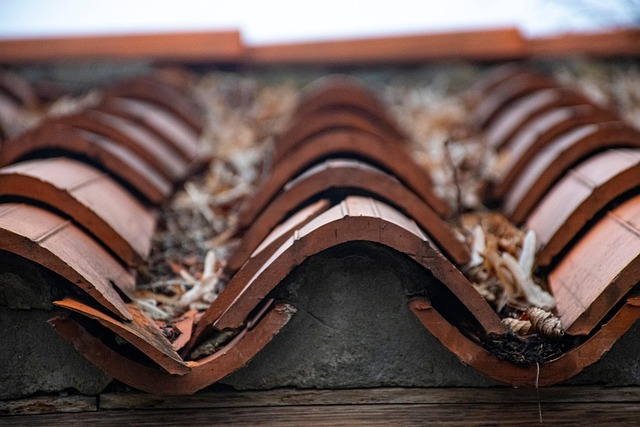
When considering a roof replacement, material choices are paramount. The right roof not only enhances your home’s curb appeal but also plays a significant role in its long-term value and your roof replacement cost. Aspire to select materials that not only match your aesthetic preferences but also align with your climate, structural integrity, and budget.
The most common roofing materials include asphalt shingles, metal, tile, and wood. Asphalt shingles are the most budget-friendly option, offering a wide range of styles and colors, making them a popular choice for many homeowners. Metal roofing, on the other hand, is known for its durability and longevity, often requiring less maintenance and offering a cleaner, more modern look. Tile roofs are premium, but they provide exceptional beauty and heat resistance, making them ideal for dry, sunny climates. Wood shakes or shingles offer a classic, natural appearance, but they demand regular maintenance to prevent rot and fire damage.
Roof replacement cost borrower requirements can vary, but a rule of thumb is to allocate 3-5% of your home’s value for roofing. For example, a $300,000 home might expect a roof replacement cost in the range of $9,000 to $15,000. Before proceeding, consult with lenders or financial advisors to understand how a roof replacement may impact your mortgage and overall financial plan.
Consider environmental factors and local building codes. Some areas mandate specific materials for fire safety or energy efficiency. Additionally, choose materials that can withstand local weather conditions. For instance, areas prone to heavy snow may require sturdier shingles or metal roofing, while coastal regions demand resistant options against strong winds and salt air.
Hiring a Professional: Choosing the Best Roofers for Replacement

When considering a roof replacement, one of the most crucial decisions homeowners face is whether to hire professional roofers. This choice impacts not just the quality of the work but also the overall roof replacement cost. Engaging experienced professionals ensures your project adheres to industry standards and safety protocols, preventing future issues.
The cost of hiring qualified roofers varies based on several factors, such as the size and complexity of the job, the type of roofing materials used, and local labor rates. On average, homeowners can expect to pay between $5,000 and $15,000 for a roof replacement, with professional installation adding 10-20% to this estimate. This investment is not merely about immediate expenses but also long-term savings; proper installation can extend the lifespan of your new roof by years, saving you from costly future repairs.
When assessing potential roofing contractors, consider their reputation, licensing, and insurance coverage. A licensed and insured roofer demonstrates professionalism and accountability. Additionally, checking references and reviewing past projects provides insights into their workmanship and customer satisfaction levels. It’s also wise to inquire about warranties, as many reputable roofers offer extended guarantees on both materials and labor, giving you added peace of mind and potentially influencing your roof replacement cost borrower requirements. For instance, a manufacturer’s warranty covering 50 years could be a significant factor in financing decisions.
Prioritizing professional installation is a strategic move that influences not only the initial roof replacement cost but also the overall value of your property. Engaging skilled roofers ensures a durable, aesthetically pleasing finish, minimizing future maintenance headaches. Remember, while DIY approaches may seem appealing for budget-conscious homeowners, they can lead to subpar results, requiring costly repairs down the line. Therefore, investing in professional expertise is a step towards securing a sound investment with your roof replacement project.
Maximizing Resale Value: The Impact of a New Roof on Your Property

A new roof can significantly impact a property’s resale value, making it a crucial investment for sellers looking to maximize their return. The roof replacement cost is an essential consideration for any seller, as a well-installed, modern roof can enhance curb appeal and create a positive first impression, which is vital in today’s competitive real estate market. According to recent studies, homes with newer roofs often command higher selling prices, demonstrating that this upgrade can be a smart strategic move.
When evaluating the roof replacement cost, sellers should aim to recover 70-100% of their investment upon resale. This range considers various factors, including the quality of materials, labor costs in the local market, and the age of the existing roof. For example, replacing an old asphalt shingle roof with high-end metal or tile options could add substantial value, especially if these features are desirable in the target buyer demographic. Additionally, a new roof can extend the lifespan of a home, reducing the likelihood of costly repairs down the line, which is particularly appealing to borrowers and potential buyers alike.
The roof replacement cost borrower requirements often vary depending on lending institutions. Some lenders may require a minimum investment that covers not just the immediate roof replacement cost but also includes associated expenses like debris removal and structural inspections. Others might offer more flexible financing options, allowing for a portion of the improvement costs to be rolled into the mortgage. Sellers should carefully review these borrower requirements to ensure their renovation plans align with the lender’s expectations, ultimately facilitating a smoother transaction process.