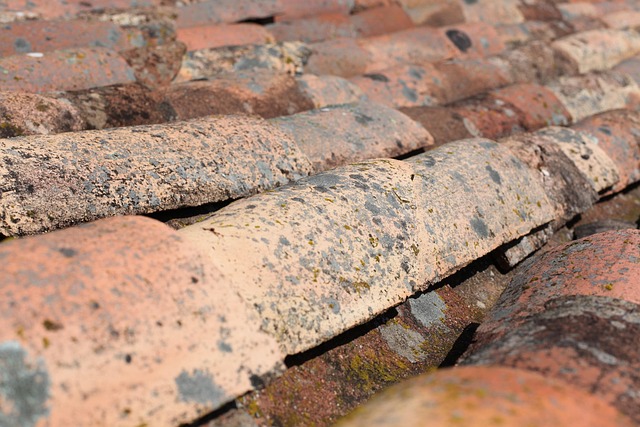
Assessing roof replacement cost is crucial for sellers preparing homes. Key factors include roof age, type, location, size, and complexity, impacting costs from $5,000 to $15,000+. Regular inspections detect wear, guiding strategic pricing based on competitive quotes. Understanding lifespan—20-50+ years—enables informed budgeting for unexpected repairs. Integration of modern, durable roofs enhances property value 10-15% and appeals to eco-conscious buyers. Strategic replacement choices maximize return on investment, ensuring market competitiveness.
In the competitive real estate market, understanding roof replacement cost is paramount for sellers aiming to maximize their property’s value. A roof is a home’s first line of defense against the elements, yet its replacement often goes overlooked until it becomes a pressing issue. This strategic breakdown aims to demystify roof replacement costs, providing sellers with crucial insights to make informed decisions. We’ll navigate the various factors influencing these expenses, from material types and labor rates to regional differences, empowering you with the knowledge to enhance your home’s appeal and potentially increase its selling price.
Assessing Roof Replacement Cost: Initial Step for Sellers

Assessing roof replacement cost is a critical initial step for sellers preparing their homes for the market. This strategic breakdown provides an in-depth look at the factors influencing roof replacement costs, offering practical insights to help sellers make informed decisions. Understanding roof replacement cost is crucial not just for enhancing home appeal, but also for meeting borrower requirements and ensuring competitive pricing.
Roof replacement cost can vary significantly based on several key factors. First, consider the age and current condition of the existing roof—asymptotic repair costs mount with time, making total replacement increasingly economical. Second, roof type plays a substantial role; asphalt shingles are commonly used and relatively affordable, while metal roofing offers longevity but at a higher upfront cost. Third, geographic location impacts both material prices and labor rates, with urban areas potentially incurring higher costs due to specialized contractors and building codes.
For instance, according to recent industry data, the average roof replacement cost ranges from $5,000 to $10,000, depending on size and complexity. Borrower requirements often dictate that roof replacements be undertaken when a certain percentage of shingles are missing or damaged—typically 25-35%, ensuring structural integrity and safety while also enhancing the home’s resale value. Sellers should aim to replace roofs in good condition, avoiding unnecessary repairs that could inflate costs.
To optimize their position in the market, sellers should seek quotes from multiple roofing contractors, understanding both material and labor costs. This process enables informed decision-making and strategic pricing. Remember, a well-assessed roof replacement cost can be a significant differentiator for your property, showcasing to potential buyers that necessary improvements have been made, thereby facilitating a smoother transition towards sale and maximizing return on investment.
Understanding Your Roof's Lifespan and Wear
Understanding your roof’s lifespan and wear is a crucial step in accurately assessing roof replacement cost for sellers. A well-maintained asphalt shingle roof can last 20 to 30 years, while metal or flat roofs may endure for 50 years or more. However, factors such as exposure to harsh weather conditions, poor installation, and heavy snow loads can significantly reduce this lifespan. Regular inspections—at least twice annually—can help identify signs of wear like missing shingles, cracks, or water stains, enabling proactive replacement planning.
The cost of roof replacement varies widely based on the size of your home and the type of roofing material chosen. According to recent industry data, the average roof replacement cost ranges from $7,000 to $15,000, with higher-end materials like metal or slate costing more. Borrowers should consider these costs when planning their budget, keeping in mind that roof replacement is often required regardless of mortgage status—a factor that lending institutions may consider during approval processes. It’s not uncommon for lenders to require a minimum down payment or demonstrate sufficient equity to cover these expenses, especially for borrowers seeking financing options.
To mitigate unexpected expenses, homeowners can take preventative measures such as regular cleaning and sealing to prolong their roof’s life. Additionally, obtaining multiple quotes from reputable roofing contractors provides valuable insights into market rates and helps ensure competitive pricing. Understanding your roof’s lifespan, recognizing wear early, and planning accordingly—all while considering borrower requirements for roof replacement cost—are essential steps in a successful sale or renovation process.
Factoring in Materials, Labor, and Project Scale

When it comes to roof replacement cost for sellers, a strategic breakdown must factor in three primary components: materials, labor, and project scale. First, materials represent a significant portion of the overall budget. Today’s roofing options range from traditional asphalt shingles to high-end metal or tile, each with varying price points. Sellers should consider not only the immediate cost but also the longevity and energy efficiency of different materials, which can influence both borrower requirements and resale value. For instance, while concrete tiles may be more expensive upfront, their durability could reduce replacement costs for borrowers over the life of the loan.
Labor costs vary based on project scale and complexity. A simple replacement for a smaller roof might range from $3,000 to $5,000, including materials. However, larger or more intricate roofs can easily triple this estimate. Expert roofing contractors charge based on experience, specialization, and local market rates. Sellers should request detailed bids from multiple contractors to ensure competitive pricing. This process not only keeps costs transparent but also highlights potential project delays or complications that could impact borrower requirements.
Project scale is another critical factor in roof replacement cost. A typical roof replacement involves more than just installing new shingles; it entails removing the existing roof, preparing the deck, and ensuring proper ventilation. For a standard single-family home, a complete roof replacement might fall between $8,000 and $15,000, depending on materials and complexity. Multi-family properties or larger residences can see costs surge 20% to 30% due to increased material needs and labor requirements. Sellers should assess their property’s unique needs and budget accordingly to meet borrower expectations for both cost and project completion.
Understanding these interrelated factors empowers sellers to make informed decisions, ensuring roof replacement projects stay on budget and enhance property appeal for borrowers. By factoring in materials, labor, and project scale, sellers can strategically plan and communicate the financial implications effectively, ultimately facilitating a smoother transition towards successful sales.
Budgeting for Unexpected Repairs and Delays

When preparing to sell a home, budgeting for unexpected repairs and delays is an essential strategic consideration. One of the most significant costs sellers often overlook is roof replacement cost. The roof is a crucial component of any property, providing essential protection from the elements. However, it’s not uncommon for roofs to develop issues over time, leading to costly repairs or even complete replacements. According to recent industry data, the average roof replacement cost ranges between $10,000 and $25,000, depending on the size and material of the roof.
Sellers should factor in these expenses when determining their budget for home improvements. Unexpected repairs can add substantial financial strain, particularly if they arise close to the listing date. To mitigate these risks, it’s advisable to conduct regular inspections and maintain the roof to extend its lifespan. Additionally, setting aside a contingency fund—equal to 1-3 times the estimated roof replacement cost, as per borrower requirements—can help cover unexpected delays or repairs that may occur during the selling process. For example, if your roof is nearing the end of its life cycle and you estimate a replacement cost of $15,000, budgeting $45,000 to $60,000 in total for potential roof-related issues can provide peace of mind and ensure a smoother selling experience.
Furthermore, understanding that roof replacements often involve unforeseen challenges—such as structural damage or adverse weather conditions—sellers can better prepare financially. Engaging with reputable contractors for expert advice on both the condition of the existing roof and the expected costs of replacement can be invaluable. This proactive approach not only helps in accurate budgeting but also enhances the overall presentation of the property to potential buyers, potentially increasing its market value despite the short-term financial outlay.
Maximizing Home Value Through Strategic Replacements

Maximizing home value for sellers involves strategic replacements that enhance curb appeal and attract buyers. One of the most impactful decisions is roof replacement cost, as a new roof can significantly elevate a property’s market value. According to recent real estate trends, a well-installed, state-of-the-art roof can increase a home’s value by 10-15%, more than offsetting the roof replacement cost for sellers. This return on investment is particularly appealing when considering borrower requirements for remodeling projects—lenders often allow up to 3 times the projected improvement cost, making roof replacements a sound financial move.
When planning a roof replacement, sellers should prioritize materials and designs that blend with the home’s existing aesthetic. Modern, energy-efficient roofing options not only reduce utility bills but also appeal to eco-conscious buyers. For example, high-quality metal roofs can last 50 years or more, providing both long-term savings and a premium first impression. Similarly, architectural shingles offer a wide range of styles, allowing homeowners to match their replacement cost with their home’s unique character. Integrating these strategic replacements into the pre-sale preparation can ensure the property stands out in a competitive market, potentially securing top dollar for the seller.
Additionally, sellers should consider the roof replacement cost in relation to other improvements. Kitchens and bathrooms are traditionally hot spots for increasing home value, but a new roof can serve as a powerful equalizer. A study by the National Association of Realtors found that while kitchen remodels average around $40,000, a new roof with similar quality can add nearly as much value. This strategic approach allows sellers to allocate resources effectively, enhancing multiple aspects of their home’s appeal without overspending. By combining thoughtful design choices and practical considerations, sellers can maximize the return on their roof replacement cost investment.