Understanding roof replacement cost is vital when selling a home. Costs range from $5,000 to $20,000, influenced by material, size, location, and complexity. A well-maintained roof boosts property value, while faulty ones deter buyers. Key steps include inspection, understanding building codes, budgeting for lender requirements, comparing contractor quotes, and choosing cost-effective materials. Prioritizing repairs can help manage financial constraints.
In the competitive real estate market, understanding roof replacement cost is a strategic imperative for sellers. A roof, often taken for granted, can significantly impact a property’s value and appeal. However, navigating the complexities of these expenses can be challenging. This article provides a comprehensive strategic breakdown to demystify roof replacement cost, offering valuable insights that empower sellers to make informed decisions. By examining various factors influencing cost, we equip you with the knowledge to enhance your selling strategy and maximize return on investment.
Assessing Roof Replacement Cost: A Seller's Guide

When selling a home, one of the most critical factors buyers consider is the condition of the roof. Assessing roof replacement cost is an essential step for sellers to effectively price their properties and prepare them for the market. Understanding the average roof replacement cost and its impact on borrower requirements can significantly influence a sale. According to recent industry reports, the typical roof replacement ranges from $5,000 to $15,000, depending on the material, size, and complexity of the job. For example, an average-sized asphalt shingle roof may cost around $7,500, while a metal or flat roof could easily exceed $12,000.
Sellers should factor in these costs when preparing their homes for showing. A well-maintained roof can increase a home’s value by 3% to 5%, but a faulty or outdated one might deter potential buyers and reduce the selling price. Lenders often require borrowers to have a functional roof, especially if it’s a significant component of the property’s structure. The roof replacement cost borrower requirements may vary, but lenders typically expect roofs to last at least 20 years, with repairs or replacements made as needed. Ensuring your roof meets these standards can streamline the financing process and make your home more appealing to buyers and lenders alike.
Before proceeding with a replacement, conduct a thorough inspection to identify any issues. Major problems like leaks, missing shingles, or structural damage may require immediate attention. For minor repairs, budgeting around 1-2% of the home’s value for annual maintenance can help extend the life of your roof. Remember, a well-planned and executed roof replacement strategy not only enhances the home’s curb appeal but also demonstrates to buyers that the property has been well-cared for, potentially speeding up the sales process.
Understanding Factors: Why Roof Costs Vary

When it comes to roof replacement cost, understanding why these figures vary is crucial for both sellers and borrowers. The roof is a significant component of any property’s value and longevity, but its cost can fluctuate based on several factors. These range from material choices to geographic location and the complexity of the job. For instance, a traditional asphalt shingle roof might be a common, budget-friendly option in certain areas, while a metal or tile roof could command a higher roof replacement cost due to its durability and aesthetic appeal.
Material is one of the primary drivers of roof replacement cost. As technology advances, newer materials often come with improved performance but also a higher price tag. An average asphalt shingle replacement might range from $5,000 to $10,000, while metal roofing could easily surpass $20,000. Moreover, the roof’s size and pitch play a role; steeper pitches generally require more materials and labor, leading to higher costs. Complex designs or unique architectural features might necessitate specialized materials and installation methods, further impacting the roof replacement cost borrower requirements.
Location also significantly influences roof replacement expenses. Local building codes and climate conditions can dictate the types of roofs permitted and their durability expectations. For instance, in areas prone to severe weather like hurricanes or snowstorms, reinforced roofs may be mandatory, increasing costs. Additionally, labor rates vary across regions, affecting the overall price. Borrowers should factor these regional variances into their roof replacement cost estimates, as they could significantly impact their budget. Ultimately, a thorough understanding of these factors empowers both sellers and borrowers to make informed decisions regarding roof replacements and associated financing requirements.
Planning and Budgeting: Strategies for Sellers
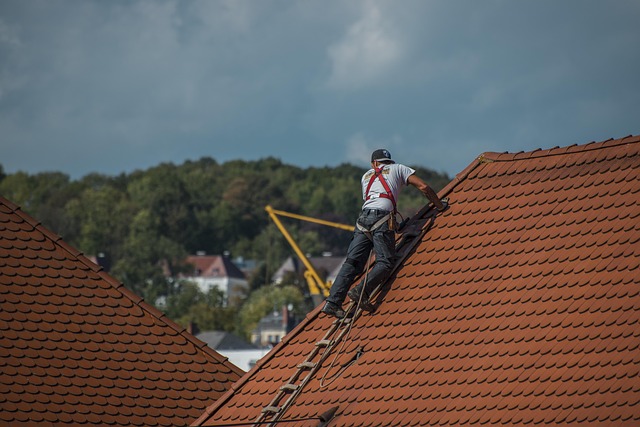
When planning to sell a home, understanding roof replacement cost is paramount. A new roof can significantly impact a property’s value—a well-maintained, modern roof enhances curb appeal and marketability, while an old or damaged one may deter potential buyers. Sellers should allocate a substantial budget for roof replacement, as it’s often the most expensive aspect of home improvement projects. According to recent data, the average roof replacement cost ranges from $10,000 to $20,000, with high-end materials and complex installations pushing costs even higher.
Strategic planning is crucial for managing this expense effectively. Sellers should commence by assessing their roof’s current condition through a professional inspection. This step is vital as it reveals necessary repairs versus complete replacements, guiding budget allocation accurately. Moreover, understanding local building codes and regulations related to roof replacement is essential, as these can influence material choices and installation processes, impacting both cost and timeline.
Budgeting for roof replacement involves considering not only the immediate cost but also borrower requirements. Lenders often mandate that roof replacements adhere to specific standards, with a focus on safety and longevity. This may include using materials that meet certain fire resistance or wind-rating criteria, ensuring compliance across all stages of the project. Additionally, builders or contractors should be factored into the budget, as their fees can vary widely based on experience, reputation, and scope of work. To stay within financial constraints, sellers might consider comparing multiple quotes from different professionals, opting for high-quality yet cost-effective materials, and prioritizing repairs over replacements where feasible.