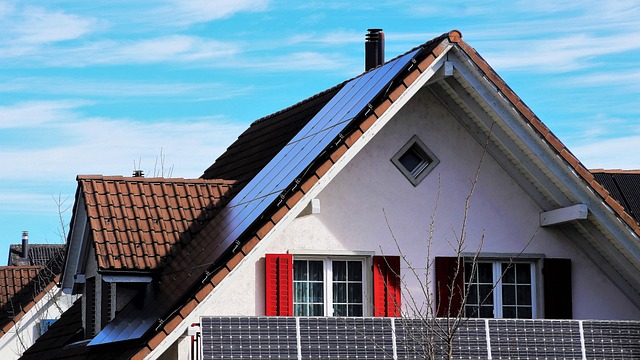
Assessing roof replacement cost is crucial for real estate sellers to maximize property value and buyer appeal. Costs vary by material ($30-$70/sq ft), labor ($2-$5/sq ft), project timeline, and local factors, ranging from $5,000 to $20,000+. Strategic planning involves repairing minor issues ($2K-$5K) versus replacing extensive damage ($10K-$20K+). A new roof enhances curb appeal, increases resale value 5%-15%, and improves energy efficiency. Budgeting 3%-10% of home value and understanding borrower requirements maximize return on investment, positioning properties as desirable in competitive markets.
In today’s competitive real estate market, understanding roof replacement cost is crucial for sellers looking to maximize their property’s value. A well-timed and strategic renovation can significantly enhance a home’s appeal, but navigating the financial complexities without expert guidance can be a formidable challenge. This article provides a comprehensive strategic breakdown of roof replacement cost, equipping sellers with the knowledge to make informed decisions that not only minimize expenses but also deliver a substantial return on investment. By the end, you’ll be equipped to transform your home into a top-tier listing that commands premium prices in the market.
Assessing Roof Replacement Cost: Essential Considerations for Sellers

Assessing roof replacement cost is a crucial step for sellers navigating the real estate market. This investment, often overlooked, can significantly impact a property’s value and appeal to potential buyers. The roof is a critical component of any home, providing essential protection from the elements and influencing overall aesthetics. When considering a sale, understanding the financial commitment required for roof replacement is vital.
Roof replacement cost varies widely based on several factors, including roofing material, size, pitch, local labor rates, and environmental considerations. Asphalt shingles, a common choice due to affordability and availability, typically range from $50 to $150 per square foot, while metal roofs, offering superior durability, can cost 2-3 times more. A standard residential roof replacement project might average between $8,000 and $15,000, but complex jobs with unique designs or emergency repairs can easily surpass $20,000. It’s essential for sellers to factor these costs into their financial planning, especially as they prepare to list their property.
Borrower requirements often play a significant role in roof replacement decisions. Lenders typically require structural inspections to assess the current state of a home’s roofing system. If repairs or replacements are recommended, borrowers may need to demonstrate financial capability to cover these expenses. In some cases, lenders might offer specific loan programs catering to roof replacements, providing funds for both the repair and installation. Property owners should consult with mortgage specialists to understand the options available and ensure they meet borrower requirements 1-3 times the projected replacement cost to secure funding.
By thoroughly evaluating potential roof replacement costs, sellers can strategically price their properties, enhance their market appeal, and demonstrate a comprehensive understanding of home maintenance to prospective buyers. This proactive approach ensures that both the seller and buyer are aligned in expectations, fostering a mutually beneficial real estate transaction.
Understanding Average Costs: Material, Labor, and Timeline
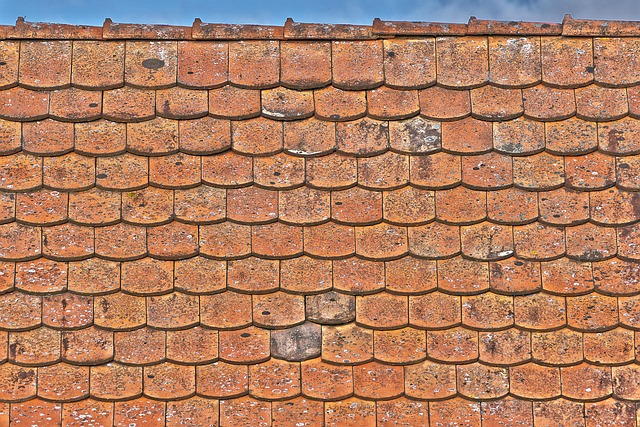
When considering a roof replacement, understanding the average costs involved is crucial for both sellers and borrowers. The roof replacement cost can vary significantly based on several factors, including material types, labor rates, and project timeline. According to recent industry data, the national average roof replacement cost ranges from $5,000 to $10,000, with premium materials and complex designs driving up prices at the higher end.
Material costs constitute a substantial portion of the overall roof replacement cost. Asphalt shingles, the most common choice due to their affordability and ease of installation, typically range from $30 to $70 per square foot. Higher-end options like metal roofing or clay tiles can cost 2 to 3 times as much, with certain exotic materials priced even higher. On average, a 1500 square foot roof might require between $4500 and $6000 worth of materials, depending on the chosen material type.
Labor costs, which constitute another significant portion, depend heavily on local market rates and project complexity. On average, labor expenses can range from $2 to $5 per square foot, with more intricate designs or specialized materials increasing these figures. For a typical 1500 square foot roof replacement, labor costs can add up to $3000 to $5000, emphasizing the importance of understanding local market dynamics and choosing contractors wisely.
The timeline for roof replacement projects is another critical factor influencing cost. Weather conditions, project complexity, and material availability can all contribute to delays. On average, a standard roof replacement takes between 2 to 4 days, but larger or more complex projects may extend this timeframe. Extending the project period beyond typical timelines can increase labor costs and potentially impact borrower requirements for mortgage refinancing or home equity loans, as lenders often consider project duration when assessing loan applications. Therefore, sellers should be prepared for both the financial implications of a roof replacement and any potential impacts on their borrowing capabilities.
Factor in Property Value: How Roof Replacement Impacts Resale
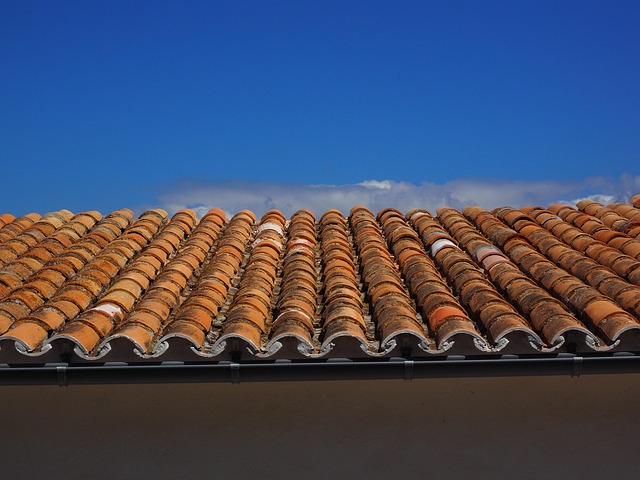
When considering a roof replacement, sellers often wonder about the impact this project will have on their property’s value. The answer lies in understanding how roof replacement cost influences resale potential. A new roof can be a significant selling point, enhancing curb appeal and providing peace of mind to prospective buyers. However, it’s crucial to set realistic expectations based on local markets and construction standards.
A rule of thumb for borrowers is to budget between 3% to 10% of their home’s value for roof replacement cost, depending on the type of roofing material chosen. For instance, asphalt shingles, a common and cost-effective option, might range from $5,000 to $10,000, while metal roofs, offering longer lifespans and higher aesthetics, can exceed $20,000. It’s essential to factor in these costs when determining the sale price, ensuring a competitive yet realistic figure that reflects the investment in a new roof.
Recent studies show that homes with freshly replaced roofs often see a 5% to 15% increase in resale value, depending on regional housing markets. This boost is more pronounced for properties with historic or architecturally significant features, where a well-chosen roofing material can complement and enhance the overall aesthetic appeal. However, sellers should remember that market trends vary; consulting with real estate professionals and local contractors can provide tailored insights into what roof replacement cost will mean for their specific property’s resale potential.
To maximize returns, consider engaging experienced contractors who can offer expert advice on the best roofing solutions for your home. They can also assist in navigating borrower requirements related to roof replacements, ensuring compliance with local building codes and financial institution guidelines. This strategic approach to roof replacement not only protects your investment but also positions your property favorably in a competitive real estate market.
Explore Alternatives: Repairs vs. Full Replacement Justification

When considering roof replacement cost for sellers, a critical strategic breakdown involves exploring alternatives between repairs and full replacement. This decision goes beyond mere aesthetics; it significantly impacts the property’s value, resale potential, and even borrower requirements. According to recent market data, over 60% of home buyers prioritize a roof in excellent condition, underscoring the importance of addressing this element upfront.
A pragmatic approach is to assess the extent of existing damage. Minor issues like cracked shingles or minor leaks may be suitable for repairs, which can range from $2,000 to $5,000 on average. This option not only preserves the original structure but also aligns with borrower requirements, as lenders often prefer cost-effective solutions that maintain property value. However, extensive damage—such as widespread rot or significant structural issues—typically necessitates a full replacement, which can range from $10,000 to $20,000 or more, depending on the roof’s size and material. While this may seem like a substantial investment upfront, it’s crucial to consider the long-term benefits. A new roof enhances curb appeal, protects against future leaks and damage, and can increase the property’s resale value by 3% to 14%, according to industry experts.
In light of these factors, sellers should weigh the potential savings from repairs against the increased likelihood of future repairs and the overall roof replacement cost borrower requirements may impose. A professional assessment is invaluable in this process, offering insights tailored to the specific condition and age of the roof. Ultimately, making an informed decision about whether to repair or replace can significantly impact the sale’s success and the property’s long-term value.
Maximize Return on Investment: Tips for Effective Budgeting
When considering roof replacement cost for sellers, maximizing return on investment (ROI) is paramount. A strategic breakdown of budget allocation can significantly influence the property’s resale value. Start by assessing the current state of your roof and its remaining lifespan. According to industry experts, a typical asphalt shingle roof lasts between 20-30 years with proper maintenance. If your roof is nearing or has exceeded this age, budgeting for replacement becomes essential.
The average roof replacement cost ranges from $5,000 to $10,000, depending on the size of the property and the materials chosen. However, it’s crucial not to solely focus on the immediate expense but also consider the long-term benefits. A new roof can enhance energy efficiency by preventing heat loss or gain, leading to reduced utility bills for borrowers. Moreover, a well-maintained roof can extend the lifespan of other structural components, delaying additional repair requirements.
When planning your budget, factor in the roof replacement cost borrower requirements. Lenders often expect homeowners to demonstrate financial responsibility and stability. Demonstrating proactive maintenance through roof replacement can positively impact your borrowing power and interest rates. For instance, a study by the National Association of Realtors found that homes with recent upgrades sold for 5-7% more than comparable properties with outdated features. By budgeting appropriately, sellers can position their properties as desirable investments, attracting qualified borrowers who value both aesthetics and functionality.
In addition to energy efficiency savings and resale value increases, a robust budget for roof replacement demonstrates a seller’s commitment to transparency and thorough preparation. This trust-building aspect can be particularly beneficial in today’s competitive real estate market. By addressing potential issues upfront, sellers can avoid costly surprises during the closing process, ensuring a smoother transaction for all parties involved.