Assessing roof replacement cost is vital for real estate investors. Key factors include material type (e.g., asphalt shingles $35-$70/sq ft, metal $100-$400/sq ft), property size and age, local labor rates, and environmental conditions. Average nationwide cost is $8,500 with significant variation. Lenders require detailed estimates from reputable contractors. High-quality roofs offer long-term benefits: extended lifespan (up to 3x), improved ROI, and energy efficiency. Budgeting should include labor rates, local regulations, roof complexity, hidden expenses (permits, structural repairs), and strategic allocation of 1-3% of property value for replacements. Strategic planning enhances property attractivity and maximizes long-term savings.
In the realm of real estate investment, understanding roof replacement cost is a crucial factor for successful property management and maximizing returns. The roof, a critical component often overlooked, can significantly impact a building’s overall value and longevity. However, navigating the complexities of roof replacement costs presents a challenge for investors. This article provides an in-depth analysis, offering a comprehensive guide to help investors make informed decisions. We’ll break down the various factors influencing roof replacement expenses, ensuring you are equipped with the knowledge to assess and budget for this essential maintenance task.
Assessing Roof Replacement Cost: Key Factors to Consider

Assessing roof replacement cost is a critical step for investors looking to make informed decisions about their real estate portfolio. The roof replacement cost can vary widely depending on several key factors, including the type of roofing material, the size and age of the property, local labor rates, and environmental conditions. For instance, while a standard asphalt shingle roof might cost $5,000 to $10,000, a metal or tile roof could easily run up to three times that amount. According to recent industry data, the average roof replacement cost nationwide hovers around $8,500, with ranges extending based on aforementioned variables.
Borrower requirements also play a significant role in determining roof replacement cost. Lenders typically require a detailed estimate from a reputable contractor before approving funds for such projects. This estimate should break down costs by material, labor, and any necessary permits or inspections. Investors should aim to secure multiple quotes to ensure they’re receiving competitive pricing without compromising quality. For example, a comprehensive quote might include $2.50 per square foot for materials (asphalt shingles at $75-150 per square), plus $40-75 per hour for labor, totaling around $30,000 for a 1,500-square-foot roof.
Furthermore, investors should consider the long-term benefits of investing in high-quality roofs. A well-installed, durable roof can extend its lifespan by up to three times, reducing replacement costs and providing better return on investment (ROI). Factors like energy efficiency ratings of materials and warranty coverage can also impact ROI. For instance, a metal roof with a 50-year warranty might cost more upfront but could save on future replacement expenses over the long term. In terms of borrower requirements, some lenders may offer specialized programs or lower interest rates for properties featuring energy-efficient upgrades like high-performance roofs.
Understanding Average Costs for Different Roofing Materials

When considering roof replacement cost for investment properties, understanding the average expenses associated with different roofing materials is crucial. The choice of material significantly impacts both the initial outlay and long-term maintenance costs. Asphalt shingles, for instance, are a popular and affordable option, typically ranging from $35 to $70 per square foot, including labor. This makes them an attractive choice for investors seeking a balanced combination of affordability and ease of installation. On the higher end, metal roofing offers superior durability with a price tag of approximately $100 to $400 per square foot, but it can be a sound investment due to its extended lifespan and low maintenance requirements, aligning well with borrower requirements for long-term cost savings.
Wood shingles or shakes provide a more traditional aesthetic, costing roughly $70 to $200 per square foot, installed. While they may require more frequent replacement, their natural beauty can increase property value, potentially offsetting the higher roof replacement cost over time. Clay and ceramic tiles are premium options, costing between $150 to $600 per square foot, but they offer exceptional durability and a unique visual appeal that can enhance the overall marketability of the property. The variability in roof replacement cost for these materials underscores the importance of comprehensive research and budgeting when planning for borrower requirements and investment strategies.
In addition to material costs, factors like labor rates, local regulations, and the size and complexity of the roof should be factored into the overall budget. Understanding these variables allows investors to make informed decisions that balance their roof replacement cost with the potential return on investment, ensuring a sound financial strategy for both short-term and long-term property ownership.
Analyzing Labor Costs: Who Performs the Roof Replacement?
When evaluating roof replacement cost for investment properties, one of the most critical factors to consider is labor—who performs the work and what are their rates? The roofing industry varies in terms of professionals, from specialized contractors to general laborers, each with differing skill levels, equipment, and pricing. This diversity impacts not only the overall roof replacement cost but also the quality and durability of the new roof.
Contractors specializing in roof replacements typically command higher labor costs due to their expertise, use of advanced equipment, and adherence to safety protocols. These professionals guarantee precise installations that meet manufacturer specifications and local building codes. On average, specialized contractors charge 20-30% more than general laborers for materials and labor combined. For example, a typical roof replacement project costing $10,000 with a specialized contractor could range from $12,000 to $15,000, including materials. In contrast, general laborers or less experienced contractors may offer lower rates but might not provide the same level of craftsmanship and warranty coverage.
Borrowers considering roof replacement projects should understand that labor costs can significantly impact their budget. Lenders typically require a 1-3 times roof replacement cost for borrower requirements, ensuring funds are available for both materials and skilled labor. This range depends on various factors, including local market rates, project complexity, and the type of roofing material chosen. Therefore, investors should thoroughly research contractors in their area, request quotes, and compare not just prices but also the reputation and experience of the roofing teams they employ to ensure a sound investment.
Unveiling Hidden Expenses: Permits and Additional Services

When assessing roof replacement cost for investment purposes, it’s crucial to look beyond the initial estimate. A thorough analysis reveals a range of hidden expenses often overlooked by borrowers and even some contractors. Permits and additional services can significantly impact the overall budget, sometimes adding 10-20% to the project cost. These fees are essential components of any roof replacement project but can vary widely based on local regulations and the scope of work. For instance, obtaining building permits, which are mandatory in most areas, typically involves application fees charged by the municipality. These costs can range from a few hundred to several thousand dollars, depending on the project’s complexity and the location.
Another critical factor is the necessity for additional services, such as roof decking replacement or structural repairs, often discovered during the demolition phase. These unforeseen requirements are not uncommon, especially in older properties. According to industry reports, unexpected issues arise in approximately 25% of roof replacements, leading to average additional costs of $3000-$6000 per project. Lenders and borrowers should be aware that these hidden expenses can substantially affect the financial outcome, potentially increasing the roof replacement cost by 1-3 times the initial budget, depending on the severity of the unforeseen work.
To mitigate risks, investors should engage experienced contractors who are transparent about potential additional charges. Regular site visits during construction can help identify any unanticipated challenges early on. Additionally, understanding local building codes and regulations is vital to budgeting accurately for permits and necessary repairs. By factoring in these hidden expenses and maintaining open communication with contractors, borrowers can make informed decisions regarding roof replacement cost, ensuring a successful project without financial surprises.
Return on Investment: Long-Term Savings from Roof Replacements
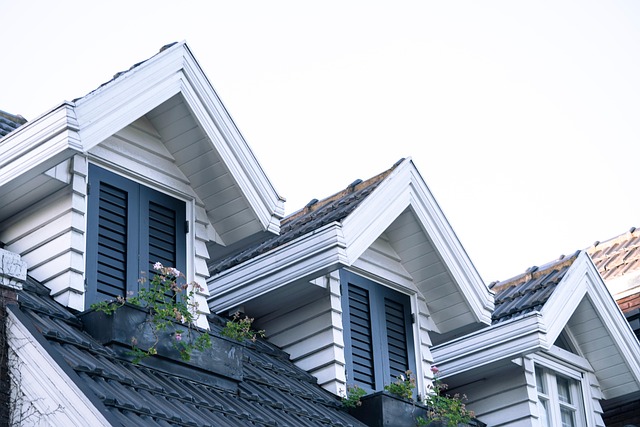
Roof replacements, while often viewed as a significant upfront investment, offer long-term savings that can be particularly attractive to investors. A new roof can significantly extend the lifespan of a property, reducing the need for frequent repairs and costly renovations. According to industry reports, a typical roof replacement can range from $5,000 to $20,000, with premium materials and complex installations driving up costs at the higher end. However, these figures should be considered within the broader context of property value enhancement and cost savings over time.
For investors, understanding the return on investment (ROI) from roof replacements is crucial. A well-maintained roof can capably enhance a property’s resale value by 5% to 15%, making it a sound long-term strategy. To illustrate, let’s consider an example: a $200,000 property with a new roof valued at $10,000 could potentially fetch between $210,000 and $225,000 upon resale, assuming a conservative 10% increase. Furthermore, by replacing old roofs, investors can mitigate the risk of costly emergency repairs stemming from leaks or storm damage, which can often escalate quickly. This proactive approach not only safeguards against unexpected expenses but also ensures consistent rental income for property owners.
When evaluating roof replacement cost as an investment, borrowers should aim to allocate 1-3% of their property’s value towards this expense. Such a budget allows for the installation of quality materials and skilled labor while leaving room for contingencies. Lenders typically consider roof replacements as valid improvements, especially when they align with safe, modern building standards. Therefore, investors can expect favorable loan terms, including competitive interest rates and flexible repayment options, when financing these projects. By strategically planning and budgeting for roof replacements, investors can ensure their properties remain attractive to tenants or buyers while reaping substantial long-term savings.