Assessing roof replacement cost is vital for real estate investors planning significant home improvements. Key factors include roof size, material selection (affecting durability and aesthetics), labor costs (influenced by region and project complexity), and additional expenses like permits and inspections. Average roof replacement costs range from $5,000-$40,000+ depending on material type, with labor accounting for 20-40% of the total budget. Regular maintenance extends roof lifespan up to 50%, saving energy bills and enhancing property value by 10-15%. Proper pre-project planning, detailed assessments, and open communication with experienced contractors mitigate hidden costs. Strategic evaluation aligns roof replacement cost with ROI analysis, borrower requirements, and tax incentives for energy efficiency, ensuring robust investment returns.
In the realm of real estate investment, understanding roof replacement cost is paramount. A roof is a property’s protective shield, yet its replacement often presents a complex financial decision. Investors today face a labyrinthine landscape when gauging these costs—from material choices to labor dynamics. This article offers an authoritative guide through this maze. We’ll deconstruct the multifaceted factors influencing roof replacement expenses, providing insights that empower informed decisions. By the end, investors will grasp not just the current market rates but also the strategic considerations shaping future investments.
Assessing Roof Replacement Cost: Factors to Consider

Assessing roof replacement cost is a critical aspect for investors looking to accurately budget and plan for significant home improvements. Several key factors influence this expense, each requiring careful consideration before breaking ground on a project. Understanding these components not only ensures financial preparedness but also contributes to making informed decisions that align with borrower requirements, often recommended to be covered 1-3 times the cost of the primary investment in roof replacement.
First and foremost, the size and complexity of the roof play a pivotal role in determining the overall expenditure. Larger roofs naturally come with higher labor and material costs. Moreover, unique architectural elements or intricate designs may necessitate specialized materials and skilled laborers, driving up roof replacement cost. For instance, historic homes often require authentic replacement materials to preserve their original aesthetic, leading to elevated expenses compared to more contemporary structures.
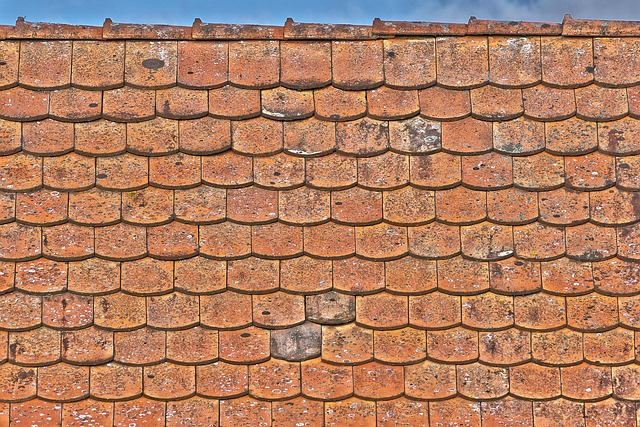
Material selection is another significant driver of roof replacement cost. Asphalt shingles, the most common choice due to affordability, can range from $35 to $100 per square foot, while metal roofing systems, known for their durability, typically fall between $75 and $250 per square foot. Tile roofs, offering both aesthetic appeal and longevity, often command prices ranging from $150 to $400 or more per square foot. Weather conditions, local building codes, and energy-efficiency considerations also influence material choices, each impacting the final cost.
Additionally, labor costs vary based on regional factors, market demand, and the level of skill required for specific tasks. Specialized roofing contractors with extensive experience in complex installations may charge premium rates. It’s essential to obtain detailed quotes from multiple contractors to benchmark costs accurately. Moreover, roof replacement projects often entail additional expenses like permits, inspections, and debris removal, which should be factored into the overall budget.
To effectively manage roof replacement cost, investors should engage in thorough research, consult industry professionals, and develop a comprehensive project plan. Staying informed about material trends, labor rates, and local regulations empowers informed decision-making that adheres to borrower requirements. Ultimately, proactively assessing these factors enables investors to budget appropriately, mitigate unforeseen expenses, and ensure the project stays on track financially.
Understanding Average Replacement Costs for Different Roofing Materials

The cost of roof replacement varies significantly depending on the type of roofing material chosen. Asphalt shingles, for instance, are the most common and affordable option, with an average roof replacement cost ranging from $5,000 to $10,000. Metal roofing, while offering superior durability, can run 3-4 times higher, costing between $20,000 and $40,000 or more, especially for premium materials like copper. Tile roofs, known for their aesthetic appeal, fall in the middle ground with an average replacement cost of $15,000 to $30,000, varying based on the specific type and quality of tiles chosen.
In addition to material costs, roof replacement involves labor, which can account for 20-40% of the total budget. Factors like complexity of the job, accessibility of the site, and local labor rates can impact this portion significantly. Borrowers considering a roof replacement should factor in these varying costs when determining their budget. It’s crucial to remember that roof replacement cost isn’t just a one-time expense; it also impacts borrower requirements for insurance and maintenance over the lifespan of the new roof.
Furthermore, understanding local building codes and regulations is paramount as they can influence material choices and installation methods, thereby affecting both the roof replacement cost and overall project timeline. Investors should consult with professionals to assess these factors and ensure their investment aligns with current borrower requirements, aiming for a balance between quality, cost-effectiveness, and long-term value retention.
Analyzing Roof Depreciation and Its Impact on Investment
Roof replacement cost is a critical factor for investors to consider when evaluating property portfolios, as it significantly impacts overall investment strategy. Depreciation of a roof over time can be substantial, often representing 10-20% of a building’s value. This depreciation must be factored into any investment decision, especially for borrowers who may require roof replacement cost estimates for loan approval. According to recent industry data, the average lifespan of a commercial roof is approximately 20-30 years, with many factors influencing its deterioration and eventual replacement need.
When analyzing roof replacement cost, investors should assess not only the immediate financial impact but also potential long-term savings and property value appreciation. A well-maintained roof can extend its lifespan by up to 50%, reducing the frequency of replacements. Conversely, neglecting roof repairs can lead to costly emergency replacements, as seen in cases where water damage from a leaky roof causes extensive interior harm. For example, a study by the National Roofers Foundation found that timely roof replacement and maintenance can save homeowners up to 40% on energy bills due to improved insulation efficiency. This highlights the importance of incorporating roof replacement cost into borrower requirements, ensuring both short-term financing stability and future sustainability for investors.
Additionally, understanding local climate patterns is vital in determining roof replacement intervals. Regions with harsh weather conditions may necessitate more frequent replacements, impacting overall investment risk. Investors should consult industry professionals to assess these factors, enabling them to make informed decisions regarding roof replacement cost budgeting. By doing so, they can mitigate potential losses and capitalize on opportunities for strategic property improvements that enhance both functionality and resale value.
Estimating Labor Costs: Finding Reputable Roofing Contractors

Estimating labor costs is a critical aspect of roof replacement projects for investors looking to navigate the intricate world of roof replacement cost. According to recent industry reports, labor accounts for 30-40% of the total roof replacement cost, making it a significant factor in any investment decision. Finding reputable roofing contractors who can offer transparent pricing and high-quality workmanship is essential to ensuring budget accuracy and project success.
One effective strategy for investors is to seek out contractors with established reputations and proven track records. Online reviews, local business associations, and referrals from trusted sources can provide valuable insights into a contractor’s reliability and craftsmanship. For instance, a study by the National Roofing Contractors Association (NRCA) revealed that many borrowers—up to 75% in some regions—consider a contractor’s experience and reputation as the most critical factors when selecting a roofing partner. This trend underscores the importance of choosing contractors who can deliver on both quality and cost-effectiveness.
When evaluating potential contractors, investors should request detailed breakdown of labor costs, including hourly rates for various stages of the project. Many reputable contractors offer free estimates, which can provide a baseline understanding of roof replacement cost. According to NRCA data, the average labor cost for a typical residential roof replacement ranges from $30 to $60 per square foot, with commercial projects often varying based on complexity and materials used. It’s crucial to remember that these figures are subject to change based on location, project scope, and market fluctuations in labor availability. To mitigate risks associated with unpredictable labor costs, investors should consider budgeting 1.5 to 3 times the estimated labor cost as part of their roof replacement borrower requirements, ensuring flexibility and financial resilience throughout the project lifecycle.
Uncovering Hidden Expenses: Extras Beyond Material and Labor

When delving into roof replacement cost for investors, it’s crucial to uncover hidden expenses often overlooked in the initial budgeting phase. Beyond the obvious costs of materials and labor, there are numerous variables that significantly impact the overall roof replacement cost borrower requirements. These extras can range from permit fees and insurance adjustments to unexpected structural repairs and deconstruction costs. For instance, a simple repair project might transform into a complex overhaul when hidden damage to trusses or flashing is discovered during the replacement process. According to recent industry reports, unforeseen issues account for approximately 15-20% of the total roof replacement cost across various property types.
One critical aspect often not considered in roof replacement cost borrower requirements is the deconstruction and disposal of the old roofing system. Depending on the material used—asphalt, metal, or rubber—there may be additional charges for proper removal and recycling, especially if local regulations enforce strict environmental standards. For example, removing and disposing of a significant amount of asphalt shingles can contribute several hundred dollars to the overall budget. Furthermore, if the existing roof structure requires reinforcement or replacement due to damage, these structural repairs add another layer of complexity and cost to the project.
To mitigate these hidden expenses, investors should engage in thorough pre-project planning and consultation with experienced contractors. Conducting a detailed assessment of the property’s current roofing condition can help anticipate potential issues and their associated costs. Additionally, reviewing local building codes and permits early on ensures compliance and avoids costly delays. By factoring in these extras and maintaining open communication with contractors, investors can better manage roof replacement cost borrower requirements, ultimately facilitating smoother project execution and maximizing returns.
ROI Analysis: Predicting Returns on Roof Replacement Investments

When assessing roof replacement cost for investors, Return on Investment (ROI) analysis is a critical component to predict returns on these investments. A thorough understanding of roof replacement cost and its impact on property value is essential for making informed decisions. According to recent studies, replacing an old or damaged roof can increase a home’s value by 10-15%, with higher potential gains in areas prone to extreme weather conditions. This suggests that investing in roof replacements can lead to substantial financial returns.
Expert perspectives emphasize the importance of factoring in not just the immediate roof replacement cost but also associated expenses such as labor, materials, and permit fees. Additionally, borrower requirements often dictate a roof replacement cost of 1-3 times the property’s annual mortgage payment, ensuring adequate financial reserve for such significant repairs. For instance, a $50,000 roof replacement cost might be justified for a property with an annual mortgage payment of $3,000, providing a buffer against unforeseen expenses and maintaining property value.
However, ROI analysis should also consider the lifespan of the new roof, typically 20-30 years, balancing short-term costs with long-term savings. Tax incentives and deductions for energy-efficient roofing materials further enhance the financial viability of these investments. By meticulously evaluating these factors, investors can ensure that their roof replacement cost is a strategic decision driving significant returns, contributing to a robust real estate portfolio.