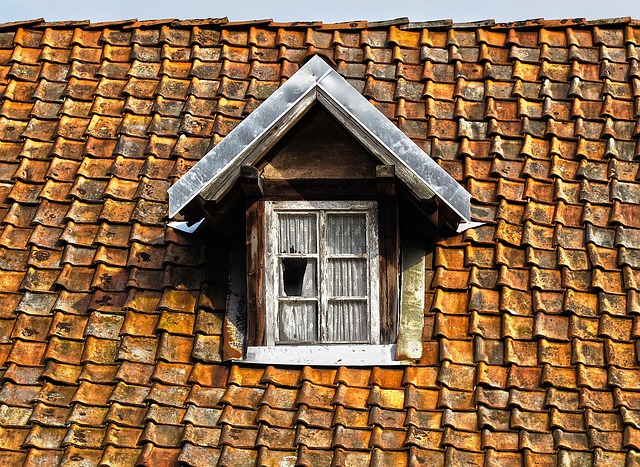
Understanding roof replacement cost (RRCC) is vital for homeowners selling their properties. The average RRCC ranges from $5,000 to $15,000, varying by material type, roof size, labor costs, and job complexity. Key factors include:
– Material lifespans: Asphalt shingles (15-30 years), wood shakes (25-30 years), metal roofing (up to 50 years), tile (40-60 years).
– Regional factors and severe weather events.
– Professional consultation for accurate estimates.
– Balancing immediate expenditure with future savings.
RRCC impacts property value, with studies showing increases of 3% to 15%. Investing in high-quality materials can justify a higher sale price, especially in regions with strict building codes. Consulting professionals ensures informed decisions and prepares properties for the real estate market.
In the competitive real estate market, understanding roof replacement cost is a strategic advantage for sellers. A roof is a home’s protective shield, but its deterioration can significantly impact property value and curb appeal. Many sellers face the challenge of deciding when and how to address roofing issues, especially when balancing market trends and budget constraints. This article provides an authoritative guide to unraveling the complexities of roof replacement cost, empowering sellers with knowledge to make informed decisions that maximize their investment return. By the end, you’ll gain insights into estimating costs, identifying signs of repair needs, and navigating the process effectively.
Assessing Roof Replacement Cost: A Seller's Guide

When selling a home, one of the most significant factors buyers consider is the roof’s condition and age. As such, assessing roof replacement cost is an essential step for sellers to maximize their property’s value. The average roof replacement cost can range from $5,000 to $15,000, depending on various factors like material type, roof size, local labor costs, and the complexity of the job. According to recent industry reports, asphalt shingles remain the most popular choice due to their affordability and ease of installation, typically costing between $75 and $150 per square foot.
Lenders often require borrowers to budget for roof replacement cost when securing a home loan or refinancing, advising that such expenses should be factored into the overall financial plan. It’s recommended that homeowners set aside funds equivalent to 1-3 times the estimated roof replacement cost, based on their region and specific circumstances. For instance, in areas prone to severe weather events, a higher multiplier may be applicable due to the increased likelihood of damage and subsequent repairs. This proactive approach not only ensures financial stability but also demonstrates to potential buyers that the property is well-maintained and prepared for sale.
Sellers should conduct thorough research and consult with roofing professionals to determine an accurate roof replacement cost estimate. They can begin by inspecting their home’s existing roof, considering factors such as age, material deterioration, and any signs of damage or leaks. Additionally, checking local building codes and regulations regarding roof replacements is crucial, as these guidelines often dictate permitted materials, installation standards, and safety measures. By proactively addressing roof replacement needs, sellers position their properties favorably in the competitive real estate market, ensuring a smoother sales process and potentially securing higher offers.
Understanding Roof Types and Their Lifespans

When considering roof replacement cost for sellers, understanding the diverse range of roof types and their accompanying lifespans is paramount. The most common materials include asphalt shingles, wood shakes, metal roofing, and tile. Each has a distinct lifespan—asphalt shingles typically last 15-30 years, wood shakes around 25-30 years, metal roofing up to 50 years, and tile can endure for 40-60 years with proper maintenance.
Asparth shingle roofs, the most economical option, are susceptible to damage from extreme weather events, UV degradation, and general wear and tear, necessitating replacement more frequently. Conversely, metal roofing, though more expensive upfront, offers superior durability and resistance to elements like wind, hail, and fire, potentially reducing roof replacement cost for borrowers over time. For instance, a study by the National Association of Home Builders found that metal roofs outlast asphalt shingles by a margin of 2:1 in terms of repair-free years.
Roof replacement cost borrower requirements often reflect these disparities. Lenders typically factor in the age and condition of existing roofing when assessing loan eligibility, with older or damaged roofs incurring higher costs for repairs or replacements. Borrowers should expect to budget between 3% to 5% of their home’s value for roof replacement, depending on the material chosen and local labor rates. This range can extend to 10% or more for unique or high-end materials like tile or metal, especially if extensive flashing or custom installation is required.
Prioritizing roof health is crucial for both homeowners and borrowers. Regular inspection and maintenance can significantly prolong a roof’s lifespan, thereby reducing the immediate impact of roof replacement cost. Sellers considering renovations prior to listing should consult with roofing professionals to identify potential issues and explore options that balance aesthetic appeal, durability, and cost-effectiveness, ensuring a competitive position in the market while accounting for borrower requirements.
Budgeting for Materials and Labor Costs

When budgeting for a roof replacement, understanding the intricate interplay between materials and labor costs is paramount. The roof replacement cost can vary widely based on factors like roofing material type, roof size, complexity of installation, local labor rates, and weather conditions. For instance, asphalt shingles, the most common choice due to affordability and ease of installation, typically range from $50 to $150 per square foot, while metal roofing, offering superior durability but higher upfront costs, can exceed $200 per square foot. These figures underscore the importance of meticulous planning and realistic expectations.
Moreover, labor costs significantly impact the overall roof replacement cost. Skilled laborers’ rates vary geographically, with urban areas generally commanding higher wages. On average, roofing contractors charge between $75 to $150 per hour for their services, with smaller jobs potentially incurring a minimum charge. To ensure compliance with borrower requirements, it’s crucial to have detailed estimates from multiple contractors, as these can influence loan terms and interest rates. A study by the National Roofing Contractors Association (NRCA) found that homeowners often receive 3-5% discounts when securing multi-project bids, emphasizing the value of shopping around.
Effective budgeting involves considering both material and labor costs in tandem. For instance, while premium materials might offer longer lifespans and better aesthetics, they could increase overall expenses. Conversely, opting for more affordable options may reduce material costs but necessitate replacement sooner due to reduced durability. As such, aligning roof replacement cost with long-term financial goals requires balancing immediate expenditure with future savings. Prioritizing a thorough assessment of your budget, consulting with professionals, and comparing quotes from multiple contractors will ensure you make informed decisions tailored to both your financial comfort and borrower requirements 1-3 times the project cost.
Maximizing Home Value Post-Roof Replacement

When considering a roof replacement, homeowners often focus on the immediate cost, but an insightful strategy involves understanding how this investment can maximize home value for future sales. In today’s competitive real estate market, every dollar spent on enhancing your property can have a significant impact. A new roof is no exception; it can be a powerful tool to attract buyers and command a higher selling price. The key lies in balancing the roof replacement cost with the potential return on investment—a calculation that borrowers should also consider when planning their home improvement projects.
The average roof replacement cost varies widely depending on factors like roofing material, project complexity, and local labor rates. According to recent industry surveys, the national average for reroofing ranges from $10,000 to $20,000, with premium materials and complex designs driving up costs. While this initial investment may seem substantial, it pales in comparison to the potential value increase. Studies show that a well-timed roof replacement can boost a home’s value by 3% to 15%, depending on the market conditions and location. For example, in regions with strict building codes and frequent severe weather events, a new roof can be a significant selling point, justifying a higher asking price.
Maximizing return on investment requires a strategic approach. Homeowners should consider not only the cost of the replacement but also the perceived value it brings to potential buyers. For borrowers planning to sell within the next 5-10 years, investing in a high-quality roof could be a sound decision. Lenders often require homes undergoing significant renovations, like roof replacements, to meet specific standards, ensuring safety and longevity. By adhering to these requirements and choosing durable materials, homeowners can ensure their investment is not only protected but also seen as an asset by future borrowers, potentially increasing the property’s resale value.