Assessing roof replacement cost is crucial for maximizing property value during a sale. Average costs range from $7,000 to $15,000, varying by material, labor rates, roof size, and complexity. Factors like energy efficiency and durability influence choices, with eco-friendly options appealing to conscious borrowers. Accurate estimates, informed decision-making through consultation with professionals, and strategic post-replacement strategies ensure significant ROI on the roof replacement cost, enhancing home resale value.
In the competitive real estate market, understanding roof replacement cost is paramount for sellers aiming to maximize their property’s value. A roof is not merely a structural element; it’s a protective shield that can significantly impact a home’s curb appeal and overall condition. However, navigating the complexities of roof replacement—from material costs to labor expenses—can be daunting. This article provides an authoritative guide, demystifying roof replacement cost for sellers. We’ll delve into key considerations, explore common pricing models, and offer actionable insights to ensure you make informed decisions that enhance your home’s market appeal and protect your investment.
Assessing Roof Replacement Cost: A Seller's Guide

Assessing Roof Replacement Cost is a critical step for sellers planning to maximize their property’s value. The roof is one of the most significant components of a home, offering both structural integrity and protection from the elements. When considering a replacement, sellers must factor in not just the immediate cost but also long-term benefits, especially when preparing for resale. According to recent industry reports, the average roof replacement cost ranges between $10,000 and $20,000, depending on various factors such as the size of the roof, material used, local labor rates, and the complexity of the installation process. For instance, asphalt shingles are generally more affordable, starting at around $3 per square foot, while metal roofing can cost 5-10 times more due to its durability and customizable designs.
Borrower requirements often play a significant role in roof replacement decisions for sellers. Lenders typically expect homeowners to make necessary repairs to maintain property value, ensuring a sound investment for borrowers. In some cases, lenders may require an appraisal that includes an assessment of the roof’s condition. For sellers, this means addressing any issues prior to putting their home on the market. A well-timed replacement can significantly enhance a property’s curb appeal and overall marketability, potentially justifying the associated costs in the eyes of both sellers and borrowers. It is advisable for sellers to consult with real estate professionals and contractors to get accurate estimates tailored to their specific needs and local market trends.
Beyond the financial considerations, energy efficiency and durability should guide roof replacement decisions. Modern roofing materials offer advanced insulation properties, helping regulate indoor temperatures and reducing energy bills over time. Additionally, environmentally conscious borrowers are increasingly drawn to sustainable options, making eco-friendly roofs a valuable selling point. When evaluating roof replacement cost, sellers must balance immediate expenses with long-term savings and environmental benefits. For instance, while a high-end metal roof might be more expensive upfront, its longevity and superior weather resistance can lead to substantial savings compared to lower-cost alternatives that may require frequent replacements.
Understanding Factors Influencing Roof Replacement Expenses

When considering a roof replacement, understanding the factors influencing the associated costs is crucial for homeowners, especially those looking to sell their property. The roof replacement cost can vary widely based on several variables, each playing a significant role in the final price tag. For sellers, being aware of these influences allows them to set realistic expectations and make informed decisions regarding their budget and timeline.
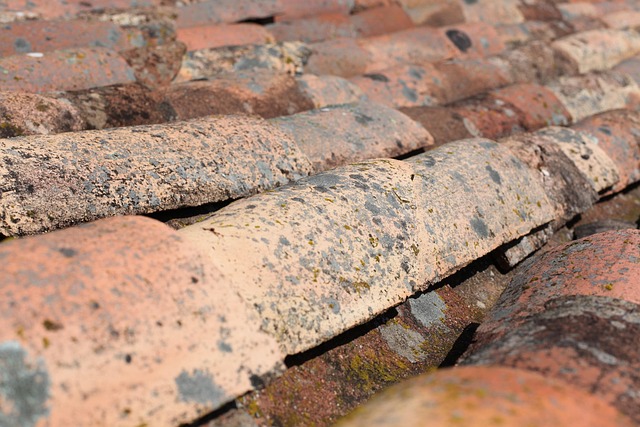
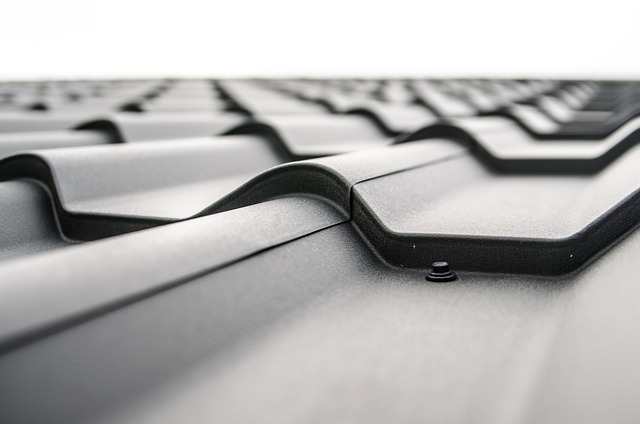
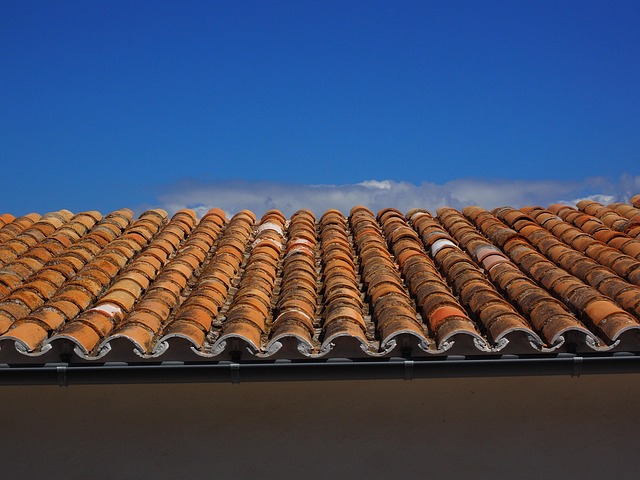
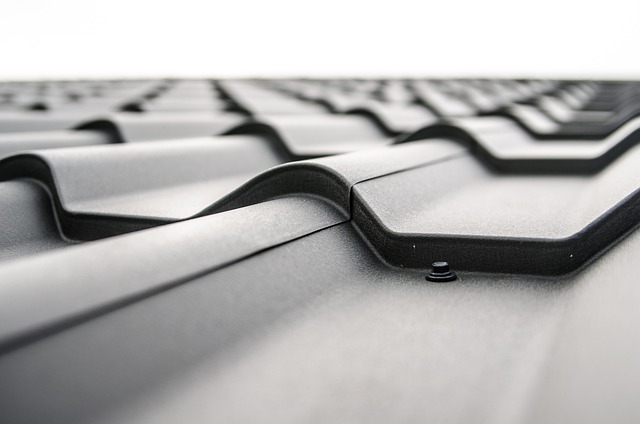
One of the primary determinants is the type of roofing material chosen. Asphalt shingles, for instance, are a popular and cost-effective option, typically ranging from $50 to $150 per square foot installed. Metal roofs, on the other hand, can be more expensive at $200 or more per square foot but offer superior durability and energy efficiency, which may appeal to potential buyers. Wood shake or tile roofs are at the higher end of the spectrum, both in terms of cost and longevity, usually costing $300 or more per square foot. Additionally, labor costs vary based on regional wage differences and the complexity of the installation process; these factors can significantly impact the overall roof replacement cost borrower requirements.
The size and condition of the existing roof are also critical considerations. Larger roofs will naturally incur higher expenses due to increased material and labor needs. Moreover, a roof in poor condition may require more extensive repairs or complete removal, adding to the overall cost. In some cases, it might be more economical to replace an older roof entirely rather than patch up a severely damaged one. According to industry reports, the average roof replacement cost borrower requirements can range from $7,000 to $15,000, depending on these factors and the location of the property. To ensure a successful sale, sellers should aim to provide potential buyers with accurate estimates that factor in these variable costs, enabling them to make informed choices regarding their investment.
Maximizing Return on Investment: Post-Replacement Strategies

When considering a roof replacement, homeowners often focus on the initial cost, but maximizing return on investment (ROI) requires strategic post-replacement strategies. While roof replacement cost can vary significantly based on material type, roofing style, and local labor rates, an informed approach can ensure a sound financial outcome. After completing the project, sellers should aim to enhance the home’s curb appeal and overall market value through smart improvements.
One effective strategy is to choose aesthetically pleasing yet durable materials that align with current market trends. According to recent data, asphalt shingles remain the most popular choice due to their affordability and ease of installation. However, investing in high-end materials like metal or tile roofs can attract discerning buyers and justify a higher asking price. The key is to balance quality and budget, ensuring the roof replacement cost aligns with expected benefits. For instance, a metal roof may carry a higher upfront cost but offers superior longevity and can increase a property’s value by 10-15% upon resale.
Moreover, sellers should consider the roof replacement as an opportunity to improve energy efficiency. Integrating modern roofing practices, such as underlayment upgrades and reflective coatings, can reduce heat transfer, lower energy bills for new owners, and add tangible value. Many lenders now require borrowers to meet specific energy-efficiency standards, making these improvements a strategic investment. Additionally, proper roof ventilation systems are essential for maintaining indoor comfort and extending the lifespan of the roofing materials, potentially saving future homeowners on repair costs.
To ensure optimal ROI, sellers should engage with reputable contractors who can provide transparent estimates and post-replacement support. Regularly evaluating market trends and homeowner preferences allows for making informed decisions about which improvements to prioritize. By combining aesthetic appeal, durability, and energy efficiency, homeowners can increase their home’s resale value, ensuring a significant return on their roof replacement investment.